Social Media Marketing for Schools: Growth Guide 2026
Published: 24 May 2026
Many school owners and principals often wonder, “How can we make our school more visible and attract more students?”
The answer is social media. Today, it’s one of the most powerful tools for schools to connect with parents, students, teachers, and the local community.
Used correctly, social media can boost your school’s reputation, build trust with parents, showcase achievements, and even help bring in new families. That’s why I decided to create this guide: to explain everything about social media marketing for schools.
In this article, I’ll cover why it matters, the best platforms, content ideas, posting strategies, paid ads, common mistakes, and tips to measure success, step by step.
Now, let’s jump in and discover the secrets of effective school social media marketing!
Importance of Social Media Marketing for Schools
Social media marketing helps schools connect with parents, students, and the local community. It boosts visibility, showcases achievements, and builds trust in your school’s brand.
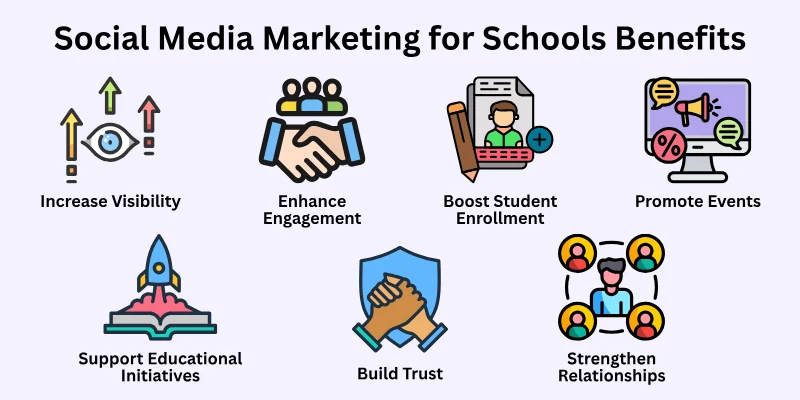
Key Benefits:
- Increase School Visibility: Reach more parents, students, and community members online.
- Enhance Engagement: Share updates, events, and achievements to keep your audience involved.
- Boost Student Enrollment: Attract prospective students by highlighting programs and success stories.
- Showcase School Culture: Share behind-the-scenes content and daily activities to reflect your values.
- Strengthen Parent and Alumni Relationships: Maintain strong communication with current and former students’ families.
- Promote Events and Programs: Highlight extracurriculars, workshops, and special activities.
- Build Trust and Credibility: Consistent, informative content establishes your school as reliable and professional.
- Support Educational Initiatives: Share learning resources, tips, and educational content to help students and parents.
Social Media Platforms for Schools
Each social media platform has unique features. Choosing the right ones matters. You cannot succeed by posting everywhere without a plan.
Below, I explain the best social platforms for schools and why they work.
1. Facebook for Schools
Facebook is one of the most popular platforms for parents and community members. Its wide user base makes it perfect for schools to share updates and stay connected.
How Schools Can Use Facebook:
- School Pages: Post news, announcements, and achievements regularly.
- Event Promotion: Share information about open houses, sports days, and cultural events.
- Groups for Parents: Create private groups for communication between teachers and parents.
- Photo Albums: Showcase student activities, school events, and celebrations.
Why Facebook Works: Parents and guardians check Facebook daily, so posting here ensures your updates reach them. It allows detailed explanations and conversations through comments or messages.
2. Instagram for Schools
Instagram is visual and highly engaging, which makes it ideal for showing school life creatively. Short videos, photos, and stories attract younger parents and students.
How Schools Can Use Instagram:
- Stories: Share day-to-day updates like classroom activities or club sessions.
- Reels: Post short, creative videos about events, achievements, or fun moments.
- Highlights: Save important information like school policies, achievements, or FAQs.
- Visual Content: Showcase artwork, sports, science projects, or performances.
Why Instagram Works: Its visual approach captures attention quickly. People enjoy scrolling through photos and videos, making Instagram a great platform to show the school’s energy and creativity.
3. YouTube for Schools
YouTube is perfect for longer videos that parents and students can watch anytime. It helps schools store content permanently and reach a wider audience.
How Schools Can Use YouTube:
- Event Videos: Record school plays, concerts, or sports events.
- Educational Tutorials: Upload lessons, workshops, or project explanations.
- School Announcements: Share principal or teacher messages with students and parents.
- Alumni Success Stories: Highlight graduates’ achievements to inspire current students.
Why YouTube Works: It allows detailed storytelling. Parents can watch videos at their convenience, and content can be shared on other platforms like Facebook or Instagram for extra visibility.
4. Twitter (Now X) for Schools
Twitter is fast and best for short, real-time updates. It’s useful for quick reminders, school news, or sharing educational content.
How Schools Can Use Twitter/X:
- Instant Updates: Share last-minute changes, cancellations, or emergency announcements.
- Educational Links: Post articles, tips, or resources for students and parents.
- Community Interaction: Engage with local organizations, alumni, and educational partners.
- Celebrations: Tweet about student or teacher achievements quickly.
Why Twitter/X Works: Its fast-paced nature allows schools to share immediate news. Followers can retweet and spread updates to a wider audience efficiently.
5. LinkedIn for Schools
LinkedIn is a professional network which helps schools present achievements and build partnerships. It is ideal for professional recognition.
How Schools Can Use LinkedIn:
- Staff Achievements: Share teacher awards, certifications, or career milestones.
- School Awards: Highlight recognitions or accreditations earned by the school.
- Partnerships: Post about collaborations with other schools or local businesses.
- Alumni Engagement: Showcase alumni achievements and career success stories.
Why LinkedIn Works: It positions the school professionally. Parents, local authorities, and potential partners see the school as credible and forward-thinking.
6. TikTok for Schools
TikTok is short-video oriented and highly popular among students. Creative and fun content can boost engagement and showcase the school’s vibrant culture.
How Schools Can Use TikTok:
- Student Projects: Share creative student performances, art, or experiments.
- Fun Challenges: Participate in trending challenges in a school-appropriate way.
- Event Highlights: Make short videos of sports day, cultural events, or classroom activities.
- Behind-the-Scenes: Show teachers preparing for events or fun moments in school.
Why TikTok Works: The platform encourages creativity. Schools can reach a younger audience and show a friendly, modern side that appeals to students and parents alike.
7. Pinterest for Schools
Pinterest is a visual discovery platform that works well for sharing educational resources and inspiration. Parents and teachers often search Pinterest for creative ideas.
How Schools Can Use Pinterest:
- Learning Resources: Post tips, activities, and classroom ideas.
- Creative Projects: Showcase student artwork or craft projects.
- Event Inspiration: Share ideas for school events, decorations, or festivals.
- Parent Tips: Provide helpful content like study techniques, healthy meals, or mindfulness exercises.
Why Pinterest Works: It positions the school as a helpful resource for parents and educators. Pinterest content stays searchable for a long time, giving schools ongoing visibility.
Social Media Content Ideas for Schools
Here are several content ideas schools can use effectively:
1. Highlight Student Achievements
Recognizing students motivates them and shows parents that their children are supported. Sharing achievements publicly creates a positive impression.
Examples:
- Awards, certificates, or trophies won by students
- Academic achievements such as top grades or honour roll
- Sports victories and team accomplishments
- Participation in competitions, debates, or science fairs
Tip: Always ask for parental consent before posting student photos or names.
2. Event Coverage and Updates
Events give schools opportunities to showcase culture and community involvement. Posting about events keeps everyone informed and engaged.
Examples:
- School plays, concerts, and cultural performances
- Sports days, tournaments, and team events
- Parent-teacher meetings or workshops
- Celebrations of festivals, national days, or anniversaries
Tip: Use photos and short videos to make posts more engaging.
3. Educational Tips and Resources
Providing useful educational content makes your school a valuable resource for parents and students. This type of content positions the school as helpful and supportive.
Examples:
- Study guides, tips, and homework strategies
- Fun facts, quizzes, or brain teasers
- Reading recommendations or book lists for students
- Online learning tips and exam preparation advice
Tip: Keep posts short and practical so parents and students can apply them immediately.
4. Behind-the-Scenes Content
Showing the school behind the scenes humanizes staff and gives followers a peek into daily life. It builds transparency and trust.
Examples:
- Teachers preparing classrooms or lesson plans
- Organizing school events or decorations
- Staff meetings or planning sessions
- Students working on projects or experiments
Tip: Use casual, friendly captions to make behind-the-scenes content relatable.
5. Staff and Teacher Highlights
Introducing staff members strengthens connections between families and the school. It also builds credibility and trust.
Examples:
- Teacher of the month or staff awards
- Staff interviews about teaching methods or school life
- Celebrating milestones such as birthdays or work anniversaries
- Showcasing teacher-led projects or initiatives
Tip: Encourage teachers to share personal stories or experiences; they make posts more authentic.
6. Parent-Focused Content
Content that helps parents with guidance and resources increases engagement and strengthens trust. Parents appreciate posts that solve problems or provide support.
Examples:
- Healthy meal and snack ideas for students
- Tips for time management or study routines
- Safety and well-being advice for children
- Parenting tips related to education and learning
Tip: Use simple, actionable language so parents can use your advice easily.
7. Student-Created Content
Featuring students gives them recognition and encourages participation. It also shows that the school values creativity and talent.
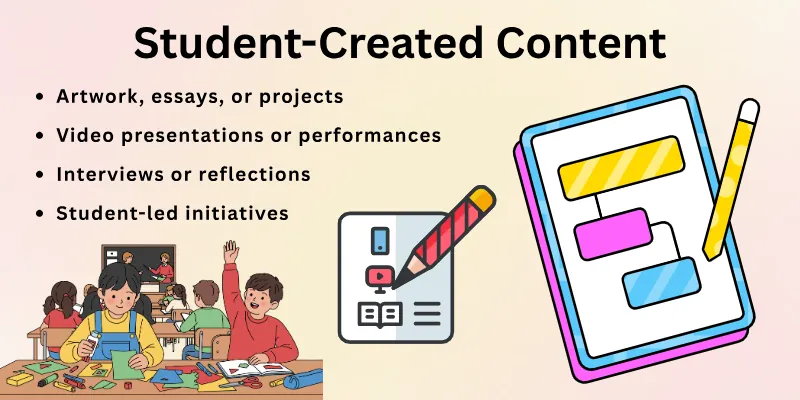
Examples:
- Artwork, essays, or projects completed by students
- Video presentations or performances
- Interviews or reflections about learning experiences
- Student-led initiatives and community projects
Tip: Celebrate student contributions publicly; it boosts engagement and motivation.
8. Interactive Content
Interactive posts encourage participation and feedback from followers. They also increase visibility and engagement.
Examples:
- Polls or surveys asking for opinions on school activities
- Quizzes about subjects or school events
- “Vote for your favourite project or artwork” contests
- Questions like “Which club should we start next semester?”
Tip: Use Instagram Stories, Facebook polls, or Twitter/X polls to make it easy for followers to participate.
9. Celebrating School Culture and Values
Highlighting school traditions and values reinforces the identity of the institution. It also helps parents and students feel part of a community.
Examples:
- Sharing stories from school history or alumni experiences
- Showcasing unique school events or traditions
- Promoting school values like respect, teamwork, or innovation
- Highlighting special programs like arts, sports, or STEM initiatives
Tip: Use consistent branding and visuals to reinforce the school’s personality.
10. Fun and Engaging Posts
Not all posts need to be formal. Fun content makes the school relatable and enjoyable for students and parents alike.
Examples:
- Spirit week activities or dress-up days
- Fun classroom experiments or creative projects
- Light-hearted moments, like classroom pets or school mascots
- Seasonal or holiday-themed content
Tip: Keep the tone cheerful and appropriate. Fun posts often get shared widely, increasing reach.
Building a Consistent Posting Schedule
Consistency is key to staying visible and keeping your audience engaged. Posting regularly helps parents, students, and the community know what to expect and builds trust over time.
Tips for a Consistent Schedule:
- Post regularly to stay visible and build trust
- Recommended frequency for each platform: Facebook 3–5 times/week, Instagram 3–4 times/week, YouTube 1–2 times/week, LinkedIn 1–2 times/week
- Use scheduling tools like Buffer, Hootsuite, or Meta Business Suite to plan posts in advance
- Example weekly schedule: Monday – school event highlight, Wednesday – educational tip, Friday – student achievement, Sunday – upcoming event reminder
Using Paid Advertising for Schools
Paid advertising on social media helps schools reach new parents and students quickly and effectively.
Key Points:
- Social media ads can attract prospective students and increase school visibility
- Best platforms for school ads: Facebook and Instagram
- Target audiences based on location, interests, and parent demographics
- Start with a small budget, track results, and optimize campaigns for better performance
Social Media Strategy for Schools
Here are some steps to build an effective social media strategy:
Set Clear Goals
- Define what you want to achieve with social media.
- Examples: increase parent engagement, promote school events, boost enrollment, or showcase student achievements.
- Clear goals guide all other decisions in your strategy.
Identify Your Audience
- Understand who you are trying to reach: parents, students, teachers, alumni, or the local community.
- Consider what type of content each group prefers.
Tailor posts to meet their needs and interests.
Choose the Right Platforms
- Focus on 2–3 platforms where your audience is most active.
- Example: Facebook for parents, Instagram for visuals, and YouTube for videos.
- Avoid spreading efforts too thin across too many platforms.
Plan Your Content in Advance
- Create a content calendar to schedule posts for the week or month.
- Include: post dates, type of content, platform, and media needed (photos, videos, and graphics).
- Planning ensures consistent and high-quality content.
Assign Roles and Responsibilities
- Decide who will create content, post updates, respond to comments, and track analytics.
- Clear roles prevent confusion and missed deadlines.
- Involve teachers, staff, or volunteers if needed.
Establish Posting Guidelines
- Set rules for tone, language, and visual style to maintain consistency.
- Example: always use positive and friendly language, follow school branding, and get approval for student photos.
- Guidelines keep the school’s social media professional and safe.
Engage With Your Audience
- Encourage parents and students to comment, ask questions, and share posts.
- Respond to comments and messages promptly.
- Interaction increases trust and builds a stronger online community.
Monitor and Measure Performance
- Track engagement, reach, and other metrics to see what content works best.
- Use tools like Facebook Insights, Instagram Insights, or YouTube Analytics.
- Adjust the strategy based on results to improve outcomes.
Review and Update Regularly
- Social media trends and audience preferences change over time.
- Review your strategy every few months and update it accordingly.
- Keep your approach fresh, relevant, and aligned with school goals.
Social Media Strategies for Schools
Creating a strong SM strategy for a school helps the school stay organized, reach the right audience, and achieve its goals. With a clear plan, a social media strategy for school can save time, maintain consistency, and make your posts more effective.
Here are the key steps to build an effective strategy:
- Set Clear Goals: Decide what you want to achieve, like boosting parent engagement, promoting events, increasing enrollment, or showcasing student achievements.
- Identify Your Audience: Know who you are targeting—parents, students, teachers, alumni, or the local community—and tailor content to their interests.
- Choose the Right Platforms: Focus on 2–3 platforms where your audience is most active, e.g., Facebook for parents, Instagram for visuals, YouTube for videos.
- Plan Your Content in Advance: Use a content calendar with post dates, type of content, platform, and media needed to stay consistent.
- Assign Roles and Responsibilities: Decide who creates content, posts updates, responds to comments, and tracks analytics.
- Establish Posting Guidelines: Set rules for tone, language, and visual style to maintain professionalism and safety.
- Engage With Your Audience: Encourage comments, questions, and shares; respond promptly to build trust.
- Monitor and Measure Performance: Track engagement, reach, and other metrics; adjust strategy based on results.
- Review and Update Regularly: Refresh your strategy every few months to stay relevant with trends and audience preferences.
Final Words
In this article, we have covered social media marketing for schools, showing how it can help your school connect with parents, engage students, and grow its reputation. Social media is a powerful tool, but the key is to start small, stay consistent, and gradually expand your efforts.
Personal Recommendation: Focus on creating authentic content that reflects your school’s values and achievements. Even a few well-planned posts per week can make a big difference over time.
Call-to-Action: Start creating your school’s social media presence today to connect, engage, and inspire your community. The sooner you begin, the sooner your school will shine online.
FAQs on Social Media Marketing for Schools
Below are answers to common questions about social media marketing for schools and how it can help schools reach more students and parents online:
Social media marketing for private schools is the practice of using platforms like Facebook, Instagram, and YouTube to promote your school. It helps attract new students, engage parents, and showcase your school’s achievements. By sharing events, updates, and educational content, your school can build a strong online presence.
Strategies:
- Set clear goals (like increasing parent engagement or student enrollment)
- Identify your target audience (parents, students, or alumni)
- Choose 2–3 platforms where your audience is most active
- Plan content, schedule posts, and track performance
A well-planned social media strategy for schools ensures your posts are consistent, relevant, and effective.
Yes! By posting fun, informative, and interactive content, schools can keep students and parents engaged. Sharing achievements, educational tips, or event highlights encourages participation. Even simple polls, quizzes, or contests on Instagram or Facebook can boost interaction.
Diferences:
- A social media strategy for schools focuses only on promoting your school online through posts, stories, and ads.
- An educational marketing strategy is broader and includes offline activities, newsletters, events, and campaigns to attract and retain students.
Using both together helps schools reach a wider audience effectively.
Consistency matters more than quantity. Posting 3–5 times per week on Facebook, 3–4 times on Instagram, and 1–2 videos on YouTube is enough for most schools. Track engagement and adjust your schedule to see what works best for your audience.


- Be Respectful
- Stay Relevant
- Stay Positive
- True Feedback
- Encourage Discussion
- Avoid Spamming
- No Fake News
- Don't Copy-Paste
- No Personal Attacks
- Be Respectful
- Stay Relevant
- Stay Positive
- True Feedback
- Encourage Discussion
- Avoid Spamming
- No Fake News
- Don't Copy-Paste
- No Personal Attacks
