Product Marketing vs Brand Marketing: What Is the Difference?
Published: 20 Nov 2026
Hey guys! Have you ever bought something because you liked its features? Or chosen a company because you already knew and trusted its name? These are two simple examples of product marketing and brand marketing.
Both help businesses attract customers, but they do different jobs. Product marketing shows people why they should buy a particular product. Brand marketing helps people know, remember, and trust a company.
So, what makes them different? And which one should a business use? Don’t worry! We will make everything easy to understand. In this guide, we will explore product marketing vs brand marketing, look at real-life examples, compare their main differences, and learn how businesses can use both to grow.
What Is Product Marketing?
Product marketing is the process of promoting a specific product or service. It helps people understand what a product does, how it helps them, and why they should choose it over other options.
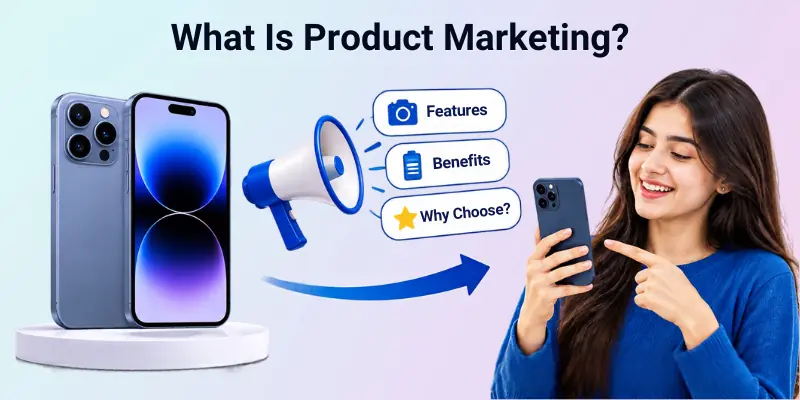
For example, imagine a company launches a new smartphone. Its product marketing team explains the phone’s camera, battery life, storage, and other features. The team creates ads, product guides, and launch campaigns to attract buyers. It also studies what customers want and how the product compares with other phones.
Some common product marketing activities include:
- Customer Research: Learn what people need and what problems they want to solve.
- Product Positioning: Show what makes the product different from others.
- Product Messaging: Explain its features and benefits in simple words.
- Product Launches: Introduce new products to potential buyers.
- Sales Support: Give sales teams the information they need to explain the product.
- Product Adoption: Help customers start using the product and understand its value.
In simple words, product marketing helps customers understand why a particular product is worth buying.
What Is Brand Marketing?
Brand marketing is the process of promoting a company’s name, identity, values, and image. It helps people recognize a business and build trust in it. Instead of focusing on one product, it tells people what the whole company stands for.

For example, imagine a clothing company that wants people to know it for simple and comfortable clothes. It uses the same logo, colors, message, and style in its ads, website, packaging, and social media posts. Over time, people start recognizing the company and connecting it with comfortable clothing.
Some common brand marketing activities include:
- Brand Identity: Create a clear name, logo, colors, and design.
- Brand Awareness: Help more people recognize the company.
- Brand Story: Share the company’s story, purpose, and values.
- Customer Trust: Build a good relationship with customers.
- Brand Reputation: Create a positive image through good products and service.
- Brand Consistency: Keep the same look and message across different platforms.
In simple words, brand marketing helps people remember a company and feel good about choosing it.
Product vs Brand Marketing: Quick Comparison
Now that we understand both terms, let’s compare them. This table will help you see how their goals and activities differ:
| Comparison Point | Product Marketing | Brand Marketing |
| Meaning | Promotes a specific product or service | Promotes the whole company and its identity |
| Main Goal | Increase product interest and sales | Build brand awareness and trust |
| Main Focus | Product features and benefits | Company image and values |
| Target Audience | People who may need the product | A wider group of people connected to the brand |
| Main Message | Why should you buy this product? | Why should you know and trust this company? |
| Content | Product guides, demos, and comparisons | Brand stories, campaigns, and company values |
| Activities | Product launches and sales campaigns | Brand awareness and storytelling campaigns |
| Results | Sales, leads, and product use | Recognition, trust, and customer loyalty |
| Time Frame | Often linked to product goals and launches | Usually focused on long-term growth |
| Example | Promoting a new smartphone | Building trust in the smartphone company |
Remember: Product marketing focuses on selling a particular product, while brand marketing focuses on building a strong image of the company.
Difference Between Brand Marketing and Product Marketing
Both marketing methods help businesses reach customers. However, they use different plans to achieve their goals.
Here are six important differences:
- Main Marketing Goal
- Target Audience
- Marketing Message
- Strategies and Activities
- Time and Focus
- Measuring Success
Let’s look at each point with simple examples.
1. Main Marketing Goal
The first difference is what each type of marketing wants to achieve. Product marketing aims to make a product successful. Brand marketing aims to make the company known and trusted.
Product Marketing:
- Increase Sales: Encourage people to buy a particular product.
- Create Interest: Show customers why they may need it.
- Get More Users: Help more people start using the product.
- Show Product Value: Explain how it can solve a customer’s problem.
Brand Marketing:
- Build Recognition: Make people remember the company.
- Create Trust: Help customers feel confident about the business.
- Build Loyalty: Give customers reasons to stay connected with the brand.
- Improve Brand Image: Create a positive name in the market.
What Makes Them Different: Product marketing wants people to choose a product. Brand marketing wants people to know and trust the company.
2. Target Audience
Another difference is the people each approach tries to reach. Product marketing often focuses on people who may buy a certain product. Brand marketing can reach a much wider audience.
Product Marketing:
- Potential Buyers: Reach people who may need the product.
- Customer Needs: Study what buyers want and expect.
- Specific Groups: Create messages for different types of customers.
- Buying Interest: Focus on people who may be ready to purchase.
Brand Marketing:
- Wider Audience: Reach people who may become customers in the future.
- Existing Customers: Keep current buyers connected with the company.
- Shared Interests: Connect with people who like the company’s values.
- Brand Community: Build a group of people who support and recognize the brand.
What Makes Them Different: Product marketing focuses on people who may buy a specific product. Brand marketing focuses on building connections with a wider group of people.
3. Marketing Message
The message is also different. Product marketing explains what a product offers. Brand marketing tells people what the company believes in and what makes it special.
Product Marketing:
- Features: Explain what the product can do.
- Benefits: Show how it helps customers.
- Product Value: Tell people why it is worth buying.
- Comparisons: Explain how it differs from other products.
Brand Marketing:
- Company Story: Share how and why the business started.
- Brand Values: Explain what the company believes in.
- Brand Identity: Use a clear and familiar style.
- Customer Connection: Share messages that help people relate to the brand.
What Makes Them Different: Product marketing answers, “Why should I buy this product?” Brand marketing answers, “Why should I trust this company?”
4. Strategies and Activities
Both approaches use ads, websites, social media, and other marketing channels. However, the activities and messages are different.
Product Marketing:
- Product Launches: Introduce new products to customers.
- Product Demonstrations: Show how a product works.
- Market Research: Study customer needs and other products in the market.
- Product Guides: Create helpful content about product features and uses.
- Sales Materials: Prepare information that helps sales teams.
Brand Marketing:
- Brand Campaigns: Create ads that help people remember the company.
- Storytelling: Share the company’s story and purpose.
- Social Media: Post content that shows the brand’s personality.
- Public Relations: Build a positive image through news and public communication.
- Visual Branding: Use the same logo, colors, and style across platforms.
What Makes Them Different: Product marketing promotes a specific offering. Brand marketing promotes the company’s overall image.
5. Time and Focus
Product marketing often follows the needs of a particular product. Brand marketing usually needs regular work over a longer time to build recognition and trust.
Product Marketing:
- Launch Campaigns: Focus on introducing new products.
- Product Updates: Tell customers about new features and changes.
- Sales Goals: Work toward sales and product growth targets.
- Customer Adoption: Help more people start using the product.
Brand Marketing:
- Long-Term Plans: Build a strong company image over time.
- Regular Campaigns: Keep the brand visible to customers.
- Customer Relationships: Develop lasting connections with people.
- Brand Growth: Keep the company’s identity clear as the business grows.
What Makes Them Different: Product marketing often follows a product’s launch and growth. Brand marketing keeps working to build the company’s image over time.
6. Measuring Success
How can a business know if its marketing plan is working? It checks results. But product marketing and brand marketing use different measures because their goals are not the same.
Product Marketing:
- Product Sales: Check how many products customers buy.
- Conversion Rate: Measure how many people take the desired action.
- Product Adoption: Track how many people start using the product.
- Customer Retention: Check how many customers continue using or buying it.
- Launch Results: Review how well a new product performs after launch.
Brand Marketing:
- Brand Awareness: Find out how many people know the company.
- Brand Recognition: Check whether people recognize its name or logo.
- Brand Recall: See whether people remember the company without seeing its name.
- Brand Sentiment: Learn what people think and say about the business.
- Customer Loyalty: Check whether customers continue choosing the brand.
What Makes Them Different: Product marketing checks how well a product attracts buyers and users. Brand marketing checks how well a company builds recognition and trust.
Which Is Better for Your Business: Product Marketing or Brand Marketing?
Now you may be wondering which one is better. Well, there is no single answer. It depends on what your business needs right now.
Let’s see when each approach makes more sense.
Choose Product Marketing If:
- You Have a New Product: You want people to learn about it.
- You Want More Sales: You need to attract buyers for a specific product.
- People Do Not Understand Your Product: You need to explain its features and uses.
- You Have Strong Competitors: You want to show why customers should choose your product.
- You Want More Users: You need people to try and use your product.
Choose Brand Marketing If:
- You Have a New Business: You want people to know your company.
- People Do Not Know Your Brand: You need to build awareness.
- You Want More Trust: You want customers to feel good about your business.
- You Want Loyal Customers: You want people to keep coming back.
- You Want Long-Term Growth: You need a clear and strong company image.
My Advice: Do not think that you must choose only one. Product marketing can help you sell your products, while brand marketing helps people remember your business.
Can Product Marketing and Brand Marketing Work Together?
Yes! In fact, using both can help a business reach more people and build stronger customer relationships.
Let’s take a skincare company as an example. The company sells face wash, sunscreen, and moisturizers.
Its brand marketing team may share messages about healthy skin, product quality, and the company’s values. At the same time, its product marketing team may promote a new sunscreen by explaining its features, benefits, and how to use it.
Both teams have different jobs, but they support the same business.
Here are some ways they can work together:
- Share One Message: Make sure product campaigns match the company’s values and image.
- Support New Products: Use brand awareness to help people notice new products.
- Build Customer Trust: Help people understand both the company and its products.
- Keep Content Connected: Use a similar tone and style across marketing campaigns.
- Improve Customer Experience: Give customers clear information about the company and what it sells.
When both approaches work together, a business can promote its products and build a name people remember.
How Do You Measure Product Marketing and Brand Marketing Success?
Every business wants to know whether its marketing efforts are working. The easiest way is to set clear goals and check the right results.
Here are some useful measures for both approaches.
For Product Marketing:
- Sales Revenue: Check how much money a product brings in.
- Conversion Rate: Find out how many visitors become buyers.
- Product Adoption: Count how many people start using the product.
- Customer Retention: Check how many customers continue buying or using it.
- Customer Feedback: Read reviews to understand what buyers like or dislike.
For Brand Marketing:
- Brand Awareness: Check how many people know your company.
- Brand Recognition: Find out whether people recognize your name and logo.
- Brand Recall: See whether people remember your company without seeing it.
- Brand Sentiment: Read comments and reviews to understand people’s opinions.
- Customer Loyalty: Check whether people keep choosing your brand.
One thing to remember is that both approaches may take different amounts of time to show results. Product sales can change during a campaign, while building brand trust often needs regular effort.
My Final Thoughts
In this guide, we have explored brand marketing vs product marketing, their main goals, key differences, and how businesses use them. We have also looked at their strategies, success measures, and ways they can work together.
My recommendation is to focus on product marketing when you want to launch a product, explain its value, or increase sales. Choose brand marketing when your main goal is to build trust and make your company easier to remember. If you want steady business growth, use both with clear goals.
I hope this guide has made the difference easier to understand. Now, let’s look at some common questions that may still be on your mind.
FAQs
Here are some common questions about product marketing and brand marketing, along with simple answers:
1. What is the main difference between product marketing and brand marketing?
Product marketing promotes a specific product or service. It tells customers what the product does and why they should buy it. Brand marketing promotes the company as a whole. It helps people recognize the business, trust its name, and build a connection with it. Both support business growth, but they have different goals.
2. Is product marketing part of brand marketing?
No, they are two different areas of marketing. Product marketing focuses on individual products, while brand marketing focuses on the company’s overall image. However, both should work together. A product campaign should match the company’s identity so customers get a clear and consistent message.
3. What is an example of product marketing?
A company launching a new laptop is a simple example. It may create ads that show the laptop’s speed, battery life, screen quality, and storage. It may also publish videos and product guides to explain how the laptop works. These activities help customers understand its value and decide whether they want to buy it.
4. What is an example of brand marketing?
A clothing company sharing its story, values, and style is an example of brand marketing.
Some common examples include:
- Company Story: Sharing how the business started.
- Brand Campaigns: Creating ads that show what the company believes in.
- Visual Design: Using the same logo and colors everywhere.
- Social Media: Sharing content that helps people connect with the company.
These activities help people recognize and remember the brand.
5. Which is more important for a small business?
Both can help a small business, but the right choice depends on its needs. If you have a new product, start by explaining its benefits and reaching the right buyers. If people do not know your company, work on building brand awareness. As your business grows, you can give more attention to both.
6. Can one person handle product marketing and brand marketing?
Yes. One person can handle both in a small business or startup. For example, a marketing manager may promote products, write website content, manage social media, and plan brand campaigns. In larger companies, these jobs are often handled by separate teams because there is more work to manage.
7. Does product marketing only focus on sales?
No. Sales are important, but product marketing does much more. It includes customer research, product planning, product launches, and explaining product benefits. It also helps customers understand how to use a product and get value from it.
8. How long does brand marketing take to show results?
Brand marketing usually takes time. People may start recognizing a company after seeing its ads and social media posts. But building trust and customer loyalty needs regular work. Good products, helpful service, and clear communication all play an important role.
9. What skills do product marketers and brand marketers need?
Both roles need good communication and planning skills, but their main tasks are different.
Product Marketers Need:
- Customer research.
- Product knowledge.
- Writing and communication.
- Competitor research.
- Campaign planning.
Brand Marketers Need:
- Creative thinking.
- Brand storytelling.
- Content planning.
- Communication skills.
- Customer understanding.
These skills help both teams create better marketing plans.
10. Can a business use product marketing without brand marketing?
Yes. A business can promote its products without running separate brand marketing campaigns. However, customers still form an opinion about the company through its products, service, and communication. A clear brand identity can help people remember the business and make its product campaigns more effective.

- Be Respectful
- Stay Relevant
- Stay Positive
- True Feedback
- Encourage Discussion
- Avoid Spamming
- No Fake News
- Don't Copy-Paste
- No Personal Attacks
- Be Respectful
- Stay Relevant
- Stay Positive
- True Feedback
- Encourage Discussion
- Avoid Spamming
- No Fake News
- Don't Copy-Paste
- No Personal Attacks
