Types of Digital Marketing & How to Start Effectively in 2026
Published: 6 Jul 2026
Hi guys!
Did you know that every day, millions of people go online, check social media, and watch videos? To connect with people online, your business needs digital marketing.
Many kinds of digital marketing help you connect with the right people. Some focus on search engines, some on social media, and some use emails or ads to attract customers.
All branches of digital marketing help your business grow. If you explore them, you can reach more people, make your brand stronger, and get better results.
So, today, we will look at all the types of digital marketing and get a complete idea of what they are and how they work.
Major Types of Digital Marketing
Digital marketing is not just one thing; it has many different types. Each type has its own way to help businesses reach people and succeed online.
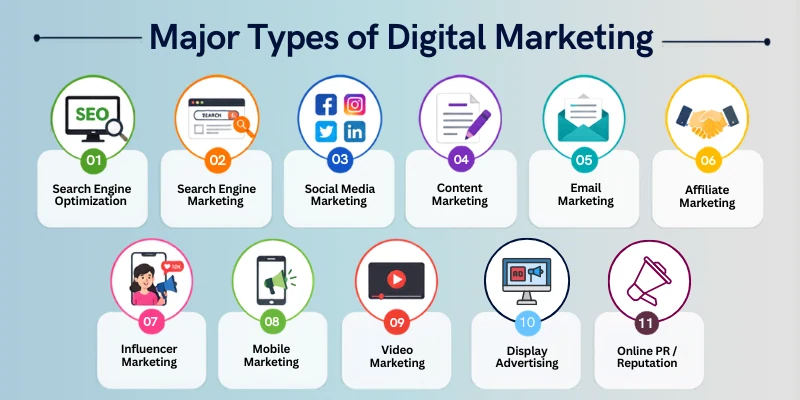
Let’s look at the major forms of digital marketing:
- Search Engine Optimization (SEO)
- Search Engine Marketing (SEM)
- Social Media Marketing (SMM)
- Content Marketing
- Email Marketing
- Affiliate Marketing
- Influencer Marketing
- Mobile Marketing
- Video Marketing
- Display Advertising
- Online PR / Reputation Management
Let’s learn more about each kind of digital marketing.
1. Search Engine Optimization (SEO)
Search engine optimization helps a website appear higher on Google when people search for something. Using the right keywords, creating helpful content, and having links from other websites bring more visitors naturally.
This method helps businesses grow online without paying for ads and builds trust with potential customers. Small and large brands use this strategy to get steady, free traffic.
Advantages – Let’s take a quick look at the benefits of SEO marketing.
- Visibility: Shows the website higher in search results, so more people click.
- Traffic: Attracts visitors without paid ads.
- Trust building: People often trust websites on the first page.
- Results: Growth continues rapidly over time.
Disadvantages – Let’s take a short look at the disadvantages of SEO marketing:
- Updates: Content and strategies must be refreshed regularly.
- Results: Rankings improve gradually, not instantly.
- Competition: Many websites compete for the top spots.
- Learning: Basic knowledge of keywords and links helps achieve better results.
Example: When someone searches “best running shoes” on Google, the website that appears first gets more visitors and can sell products without paying for ads.
Best For – Let’s see who gets the most benefit from SEO:
- Traffic: Websites that want long-term visitors.
- Ranking: Brands aiming for Google’s top spots.
- Trust: Companies that want to build credibility.
- Budget: Businesses with low marketing spend.
- Content: Sites that post helpful and fresh content.
- Growth: People who can wait for slow but steady results.
Bad For – Let’s see who is not suited for SEO:
- Quick Results: People who want instant traffic or sales.
- New Sites: Websites with no content or low authority.
- Inconsistency: Businesses that cannot post regularly.
- High Competition: Companies in crowded markets without resources.
- Impatience: Those who cannot wait for gradual SEO growth.
2. Search Engine Marketing (SEM)
Search Engine Marketing helps businesses show their websites at the top of Google through paid ads. By running campaigns, a brand can reach people who are actively searching for products or services.
This method attracts visitors quickly and can increase sales in a short time. Many companies use paid ads to get instant results and improve online visibility.
Advantages of SEM – These simple points show why this strategy works well:
- Results: Ads appear immediately to users searching online
- Audience Targeting: Reach people based on age, location, and interests
- Budget Control: You can set daily or monthly spending limits
- Measurable: Easily track clicks, impressions, and conversions
Disadvantages of SEM – Below are some common drawbacks:
- Cost: Requires continuous advertising budget
- Temporary Traffic: Traffic stops when ads are paused
- High Competition: Many businesses bid for the same keywords
- Learning Curve: Proper campaign setup improves results
Example: SweetBite Bakery runs a Google ad so people searching “fresh cupcakes near me” see their business at the top. This brings fast visitors and increases sales without waiting for organic traffic.
Best For – SEM works best for:
- Quick Sales: Businesses that want instant traffic and conversions
- New Offers: Product launches or seasonal promotions
- Local Businesses: Shops targeting nearby customers
- Competitive Markets: Brands that want to stand out quickly
- Paid Marketing Budget: Companies ready to invest in ads
Bad For – SEM may not suit:
- Low Budget Users: Businesses that cannot spend on ads
- Long-Term Free Traffic: Websites focusing only on organic growth
- Inconsistent Advertisers: People who cannot run ads regularly
- High Risk Aversion: Those who avoid paying for clicks
3. Social Media Marketing (SMM)
Social Media Marketing uses platforms like Facebook, Instagram, and Twitter to promote a business and reach the right audience. It focuses on sharing posts, images, and videos to help people learn about products or services and interact with the brand.
This method helps businesses grow followers, build trust, and attract potential customers without needing a large budget. Many brands use social media to stay connected with their audience and keep them engaged regularly.
Advantages of SMM: Let’s look at the main benefits of social media marketing:
- Reach: Connects with a large audience quickly
- Engagement: People can like, comment, and share posts
- Cost: Easy and affordable to start
- Brand Building: Helps make the brand more familiar and trusted
Disadvantages of SMM: Let’s understand the drawbacks of social media marketing:
- Time-Consuming: Requires regular posting and engagement
- High Competition: Many businesses are active on social platforms
- Negative Feedback: Bad comments can spread quickly
- Fast Trends: Content needs frequent updates to stay relevant
Example: When a clothing brand posts a new outfit on Instagram and users like and comment on it, the brand gets more attention and can attract new customers without paying for ads.
Best For – Social media marketing works best for:
- Brand Awareness: Businesses wanting to grow visibility
- Customer Engagement: Brands that want direct interaction with users
- Small Budgets: Companies with limited marketing funds
- Visual Products: Fashion, food, and lifestyle businesses
- Fast Growth: Startups aiming to build audience quickly
Bad For – It may not suit:
- Time-Limited Businesses: Those who cannot post regularly
- Low Engagement Handling: Brands that avoid public feedback
- B2B Complex Services: Businesses with less visual content
- Inconsistent Marketing: Companies without a content plan
4. Content Marketing
Content Marketing focuses on creating helpful blogs, videos, guides, and posts that answer people’s questions. It aims to share useful information so users can understand a topic and discover a brand naturally.
This method builds trust because people prefer clear and helpful content. Many small and large businesses use content marketing to connect with their audience and grow online without relying heavily on paid ads.
Advantages of Content Marketing: Here are some key benefits of content marketing:
- Attracts Visitors: Brings people who are actively searching for answers
- Builds Trust: Helpful content increases credibility and authority
- Long-Term Results: Old content can continue generating traffic
- Cost-Effective: Less expensive compared to continuous paid advertising
Disadvantages of Content Marketing: Here are a few challenges to consider:
- Time-Consuming: Needs regular updates and fresh content
- Slow Results: Strong outcomes take time to build
- High Competition: Many businesses publish similar content
- Planning Required: Proper topic research is needed for success
Best For – Content marketing works best for:
- Long-Term Growth: Businesses aiming for steady traffic over time
- Educational Brands: Companies that teach or guide users
- SEO Strategy: Websites focusing on Google ranking
- Low Budget Marketing: Businesses avoiding heavy ad spending
- Trust Building: Brands that want authority in their niche
Bad For – It may not suit:
- Quick Sales Needs: Businesses wanting instant results
- No Content Resources: Companies without writers or creators
- Inconsistent Teams: Brands that cannot post regularly
- Highly Urgent Campaigns: Short-term promotions or offers
5. Email Marketing
Email Marketing sends helpful messages, updates, and offers directly to people through email. This method helps businesses stay connected with their audience while sharing useful and relevant information.
Many brands use email to inform customers about new products, discounts, and guides. It is a simple and direct way to reach people who are already interested in the brand.
Advantages of Email Marketing – Let’s take a quick look at the benefits of email marketing:
- Direct Reach: Messages go straight to the inbox
- Cost-Effective: Cheaper than many other marketing methods
- Strong Relationships: Helps maintain regular communication with customers
- Easy Tracking: You can see opens, clicks, and engagement
Disadvantages of Email Marketing – Here are some challenges to keep in mind:
- Low Attention: People may ignore too many emails
- Subject Line Dependence: Weak subject lines reduce open rates
- Spam Risk: Emails may land in the spam folder
- List Requirement: Needs a proper and updated contact list
Example: When you join a clothing store’s email list, you receive updates about new arrivals and sales. This keeps you informed without needing to search for information.
Best For – Email marketing works best for:
- Customer Retention: Keeping existing customers engaged
- E-commerce Stores: Promoting products and offers
- Regular Updates: Sharing news, guides, or discounts
- Budget Marketing: Businesses with low advertising costs
- Personal Communication: Brands that want direct customer contact
Bad For – It may not be suitable for:
- No Email List: Businesses without customer contacts
- One-Time Sales: Very short-term promotions
- Low Engagement Audiences: People not interested in emails
- Poor Content Strategy: Brands without proper messaging
6. Affiliate Marketing
Affiliate Marketing allows other people to promote a product or service and earn a commission for every sale they generate. It helps businesses reach a wider audience because affiliates share product links through websites, blogs, and social media.
Businesses only pay when a sale happens, which makes it a cost-effective way to grow. Many companies use this method to expand their reach quickly and attract new customers.
Advantages of Affiliate Marketing – Let’s look at the main benefits of affiliate marketing:
- Wider Reach: Affiliates bring traffic from different platforms
- Cost-Effective: Payment is made only after a successful sale
- Easy to Start: Many affiliate programs are simple to join
- Brand Awareness: More people discover the brand through affiliates
Disadvantages of Affiliate Marketing – Here are some challenges to consider:
- Less Control: Affiliates may not always present the brand correctly
- Commission Management: Requires careful planning of payouts
- Dependence: Sales rely on how active affiliates are
- High Competition: Many brands compete for top affiliates
Example: When you read a tech blog that recommends a laptop with a special affiliate link, the blogger earns a commission if you purchase the product through that link.
Best For – Affiliate marketing works best for:
- E-commerce Businesses: Online stores selling physical products
- Scalable Growth: Brands wanting fast audience expansion
- Low Risk Marketing: Companies paying only for results
- Content Creators: Businesses working with bloggers or influencers
- Product Promotion: Items that can be easily reviewed or recommended
Bad For – It may not suit:
- Service-Based Niches: Complex services that are hard to promote
- Strict Brand Control Needs: Businesses needing full message control
- Low Margin Products: Items with very small profit margins
- No Tracking Setup: Companies without proper affiliate systems
7. Influencer Marketing
Influencer Marketing uses popular social media personalities to promote products or services. Influencers share posts, videos, or stories about a brand with their followers, helping businesses reach a larger audience quickly.
Many brands use this method because followers trust influencers, which increases attention and brings potential customers. This approach works well for building awareness and connecting with a targeted audience.
Advantages of Influencer Marketing – Let’s review the main benefits of this strategy:
- Wide Reach: Promotes your brand to thousands of followers
- High Trust: Followers value influencer recommendations
- Strong Engagement: Likes, comments, and shares come easily
- Fast Awareness: Helps your brand become known quickly
Disadvantages of Influencer Marketing – Let’s look at the main limitations:
- High Cost: Popular influencers can be expensive
- Audience Fit: Not every influencer matches your target market
- Dependence: Results depend on influencer activity and consistency
- Reputation Risk: Negative feedback can impact the brand image
Example: When you see a fitness influencer on Instagram recommending a protein shake, many followers may try the product because they trust the influencer’s opinion.
Best For – Influencer marketing works best for:
- Brand Awareness: Companies wanting quick visibility
- Lifestyle Products: Fashion, fitness, beauty, and food brands
- Young Audience Targeting: Brands aiming at social media users
- Product Launches: New products needing fast exposure
- Engagement Growth: Businesses focusing on likes and interaction
Bad For – It may not suit:
- Low Budget Brands: Businesses that cannot afford influencer fees
- B2B Services: Complex services with less social appeal
- Strict Messaging Control: Brands needing full content control
- Long-Term SEO Focus: Companies relying only on organic search traffic
8. Mobile Marketing
Mobile Marketing reaches people on smartphones and tablets using apps, messages, and mobile ads. Businesses can send offers, updates, and reminders directly to users, helping them stay connected at any time.
This method is effective because most people spend a large part of their day on mobile devices. Brands use mobile marketing to grab attention, increase engagement, and boost sales quickly.
Advantages of Mobile Marketing – Let’s review the main benefits of this method:
- Wide Reach: Connects with users anytime and anywhere
- Direct Communication: Sends messages straight to mobile devices
- High Engagement: Users can respond to ads or offers instantly
- Fast Promotion: Delivers results quicker than many traditional methods
Disadvantages of Mobile Marketing – Let’s look at some common challenges:
- Intrusive Nature: Too many messages can annoy users
- Cost: Mobile ads and campaigns may require a budget
- Low Attention: Users often ignore repeated notifications
- Technical Setup: Requires proper tools and configuration
Example: When you receive a push notification from a coffee shop offering a discount, you may decide to visit the store that same day to take advantage of the offer.
Best For – Mobile marketing works best for:
- Local Businesses: Shops targeting nearby customers
- Instant Offers: Flash sales and limited-time deals
- App-Based Brands: Companies with mobile applications
- High Engagement Goals: Businesses wanting quick user interaction
- Young Audiences: People who actively use smartphones
Bad For – It may not suit:
- Low Budget Businesses: Companies unable to run mobile ads
- Poor Tech Setup: Brands without mobile tools or systems
- Sensitive Audiences: Users who dislike frequent notifications
- Long Sales Cycles: Businesses that don’t need instant action
9. Video Marketing
Video Marketing uses videos to promote products, explain services, or share helpful tips with an audience. These videos are shared on social media, websites, or apps to quickly grab attention and communicate ideas clearly.
This method helps people understand products better and keeps them engaged for longer. Many brands use video content to present their offerings in a simple and attractive way.
Advantages of Video Marketing – Let’s look at the main benefits of this method:
- Highly Engaging: Videos attract more attention than text or images
- Easy to Understand: Helps explain products or services clearly
- Highly Shareable: Users can easily share videos with others
- Builds Trust: Seeing a product in action increases confidence
Disadvantages of Video Marketing – Here are some challenges to consider:
- High Cost: Producing quality videos can be expensive
- Time-Consuming: Filming and editing take time and effort
- Technical Skills: Requires proper tools and editing knowledge
- High Competition: Many brands create videos, making it harder to stand out
Example: When you watch a short video about a new gadget on social media, you quickly understand how it works and may decide to buy it.
Best For – Video marketing works best for:
- Product Demonstration: Showing how products work
- Brand Awareness: Businesses wanting strong visibility
- Social Media Growth: Platforms like YouTube, Instagram, and TikTok
- Engagement Focus: Brands aiming for likes, shares, and comments
- Visual Products: Fashion, tech, food, and lifestyle industries
Bad For – It may not suit:
- Low Budget Businesses: Companies that cannot invest in video production
- No Creative Resources: Brands without video creators or editors
- Quick Publishing Needs: Situations requiring instant content
- Low Engagement Strategy: Businesses not focused on visual content
10. Display Advertising
Display Advertising uses banners, images, or videos on websites and apps to promote products or services. These ads appear on relevant platforms while users browse online, helping capture attention quickly.
This method helps brands stay visible and reminds people about their products. Many businesses use display ads to increase awareness and attract potential customers in a short time.
Advantages of Display Advertising – Let’s look at the main benefits of this method:
- High Visibility: Ads appear on multiple websites and reach more users
- Brand Awareness: Helps people remember the brand easily
- Targeting Options: Ads can be shown based on interests, behavior, or location
- Fast Exposure: Delivers quick attention compared to organic methods
Disadvantages of Display Advertising – Here are some common challenges:
- High Cost: Can be expensive for small businesses
- Ad Blindness: Users often ignore banner ads over time
- High Competition: Many brands compete for ad placements
- Design Dependence: Poor visuals reduce click performance
Example: When you visit a website and see a banner ad for a new pair of shoes, you may click on it to learn more and possibly make a purchase.
Best For – Display advertising works best for:
- Brand Awareness Campaigns: Businesses wanting wide visibility
- Product Promotion: New launches or special offers
- Targeted Marketing: Reaching specific audiences online
- E-commerce Stores: Driving traffic to product pages
- Retargeting Users: Reminding visitors about previously viewed products
Bad For – It may not suit:
- Small Budgets: Businesses with limited advertising funds
- Low Design Resources: Brands without strong visual creatives
- Long-Term SEO Focus: Companies relying only on organic traffic
- Ad-Sensitive Users: Audiences who ignore online ads
11. Online PR / Reputation Management
Online PR manages how a brand is seen on the internet. It includes responding to reviews, sharing positive news, and building a trustworthy online image.
Many businesses use this method to maintain a strong reputation and connect with customers. A good online presence helps attract new clients and keeps existing customers satisfied.
Advantages of Online PR – Here are some key benefits of this strategy:
- Builds Trust: Improves credibility and brand confidence
- Wider Visibility: Positive news reaches a larger audience
- Direct Engagement: Customers can interact with the brand easily
- Crisis Management: Helps handle negative feedback quickly
Disadvantages of Online PR – Let’s look at some common challenges:
- Time-Consuming: Requires regular monitoring and responses
- Reputation Risk: Negative reviews can spread fast
- Consistency Needed: Messaging must stay uniform across platforms
- Strong Communication Skills: Requires careful writing and responses
Example: When a company replies to customer reviews online, people feel the brand cares about feedback, which helps build trust.
Best For – Online PR works best for:
- Reputation Building: Businesses focusing on trust and image
- Customer-Focused Brands: Companies that value feedback
- Service-Based Businesses: Hotels, agencies, and local services
- Growing Companies: Brands aiming to build strong credibility
- Public Engagement: Businesses active on social platforms
Bad For – It may not suit:
- No Time for Monitoring: Businesses that cannot respond regularly
- Poor Communication Skills: Teams unable to manage public responses
- Unstable Brands: Companies without clear messaging
- Low Online Presence: Businesses not active on digital platforms
Other Digital Marketing Types
There are also some other types of digital marketing that businesses use to reach people in different ways. Let’s take a look at these extra methods and see how they can help grow your business online.
- Voice Search Optimization (VSO)
- App Store Optimization (ASO)
- Virtual Reality (VR) Marketing
- Augmented Reality (AR) Marketing
- Chatbot / Conversational Marketing
- Geofencing / Location-Based Marketing
- Omnichannel Marketing
- Programmatic Advertising
- Conversion Rate Optimization (CRO)
- Account-Based Marketing (ABM)
- Pay-Per-Click (PPC) Advertising
- Search Analytics & Web Analytics
- Cost Per Impression (CPI) Advertising
- Podcast Marketing / Audio Marketing
- Blogging
- Thought Leadership Marketing
- Referral Marketing
- Native Advertising & Contextual Ads
- Behavioural Targeting & Remarketing
- Email Automation Marketing
- Community Marketing
- Event Marketing (Online & Offline)
- Web Push Notification Marketing
- User-Generated Content (UGC) Marketing
- Interactive Content Marketing
- In-Game Advertising
- Digital Billboard Advertising
- Crowdsourcing Marketing
Let’s look at them in detail.
1. Voice Search Optimization (VSO)
Voice Search Optimization helps a website or app appear when people use voice commands on devices like smartphones or smart speakers. It uses natural language keywords, structured data, and clear answers to help users find information quickly.
This method is growing fast because more people now prefer speaking instead of typing for quick searches. Businesses use VSO to stay visible, attract mobile users, and offer a smoother search experience.
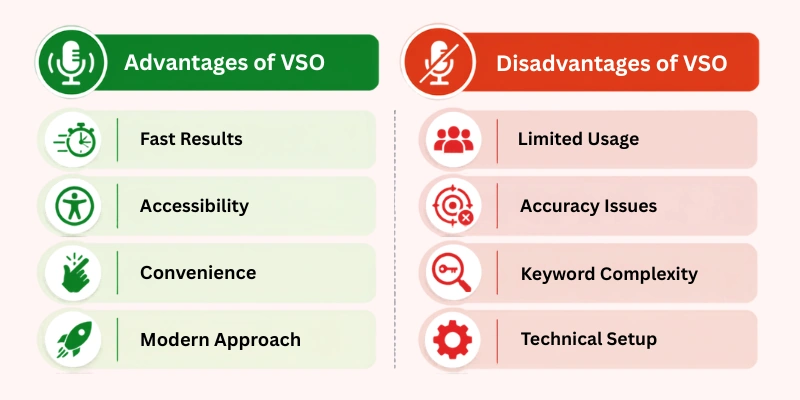
Here are the pros and cons of Voice Search Optimization:
Advantages of Voice Search Optimization – Now, let’s look at the main benefits:
- Fast Results: Users get answers immediately through voice
- Accessibility: Helpful for people who prefer speaking over typing
- Convenience: Works smoothly on mobile and smart devices
- Modern Approach: Keeps your business aligned with new trends
Disadvantages of Voice Search Optimization – Here are some challenges to consider:
- Limited Usage: Not all users rely on voice search yet
- Accuracy Issues: Voice commands can be misunderstood
- Keyword Complexity: Needs natural, conversational phrasing
- Technical Setup: Requires structured data and optimization skills
Example: When you ask Alexa, “Find nearby coffee shops,” the businesses optimized for voice search appear first, making it easy to choose and visit one.
Best For – Voice Search Optimization works best for:
- Local Businesses: Restaurants, cafes, and nearby services
- Mobile Users: People searching on smartphones
- Quick Answers: Websites providing direct information
- Modern Brands: Companies following digital trends
- Service Discovery: Businesses focusing on location-based searches
Bad For – It may not suit:
- Low Tech Setup: Websites without structured data or SEO support
- Niche Audiences: Businesses with very limited search demand
- Complex Content: Topics that require long explanations
- Non-Digital Users: Audiences not using smart devices
2. App Store Optimization (ASO)
App Store Optimization improves an app’s visibility in stores like Google Play or the Apple App Store. It works by optimizing titles, descriptions, keywords, and visuals so that more users can find and download the app naturally.
This method helps businesses reach the right audience, build credibility, and increase engagement without relying heavily on paid advertising. Many brands use ASO to compete in crowded app stores and grow their user base steadily over time.
Advantages of App Store Optimization – Here are the main benefits of ASO:
- Better Visibility: Helps your app rank higher in search results
- More Downloads: Increases the chance of app installs
- Strong Credibility: Well-optimized apps appear more professional
- Cost-Effective Growth: Reduces dependency on paid ads
Disadvantages of App Store Optimization – Now let’s look at some challenges:
- High Competition: Many apps compete for top rankings
- Regular Updates: Needs continuous optimization to stay relevant
- Technical Work: Requires keyword research and visual planning
- Slow Progress: Results take time to show
Example: When you search for “fitness tracker app” in the app store, optimized apps with strong keywords and visuals appear at the top, making you more likely to download them.
Best For – App Store Optimization works best for:
- Mobile App Businesses: Apps targeting Android or iOS users
- Startups: Companies launching new apps
- Long-Term Growth: Businesses focusing on steady downloads
- Low Budget Marketing: Apps avoiding heavy ad spending
- Competitive App Categories: Fitness, gaming, finance, and tools
Bad For – It may not suit:
- No App Updates: Apps that are not regularly maintained
- Instant Results Needs: Businesses expecting quick downloads
- Poor App Design: Apps without strong visuals or UX
- Limited Research Effort: Teams not investing in keywords or optimization
3. Virtual Reality (VR) Marketing
Virtual Reality Marketing creates immersive 3D experiences that allow users to explore products, services, or places in a virtual space. Using VR devices, people feel like they are inside a store, showroom, or event, which builds a strong emotional connection with the brand.
This method helps companies stand out from competitors, increase engagement, and leave a lasting impression. Many businesses use VR for product demos, virtual tours, and interactive campaigns to create memorable experiences.
Advantages of Virtual Reality Marketing – Let’s take a quick look at the benefits of VR marketing:
- Immersive Experience: Users feel fully involved in the environment
- Strong Memorability: Leaves a lasting impression on the audience
- High Engagement: People spend more time interacting with content
- Innovative Image: Shows the brand as modern and tech-focused
Disadvantages of Virtual Reality Marketing – Here are some challenges to consider:
- High Cost: VR content development can be expensive
- Device Requirement: Users need VR headsets for full experience
- Technical Complexity: Requires skilled developers and tools
- Limited Reach: Not all users have access to VR technology
Example: When you use a VR headset to explore a new car, you feel like you are sitting inside it. This experience increases interest and can influence purchase decisions.
Best For – Virtual Reality Marketing works best for:
- Real Estate: Virtual property tours
- Automotive Industry: Car previews and showroom experiences
- Tourism: Virtual travel experiences and destination previews
- Luxury Brands: High-end product showcases
- Event Marketing: Virtual exhibitions and product launches
Bad For – It may not suit:
- Low Budget Businesses: Companies unable to invest in VR production
- Mass Audience Reach: Brands targeting users without VR devices
- Simple Products: Items that don’t need immersive explanation
- Fast Campaigns: Short-term promotions requiring quick setup
4. Augmented Reality (AR) Marketing
Augmented Reality Marketing overlays digital objects onto the real world using smartphones or AR glasses. It allows users to see products in their own environment before making a purchase, which helps them make better decisions.
This method increases engagement, builds trust, and makes the shopping experience more interactive and enjoyable. Many brands use AR to let customers try products virtually, explore features creatively, and make buying decisions easier and more memorable.
Advantages of Augmented Reality Marketing – Now, here’s why AR can be useful for your business:
- Interactive Experience: Users can place products in their real environment
- Fun Engagement: Makes shopping more enjoyable and engaging
- Better Decisions: Helps customers feel confident before buying
- Modern Appeal: Shows the brand is innovative and tech-friendly
Disadvantages of Augmented Reality Marketing – Let’s look at some challenges:
- Technical Requirements: Needs AR-supported devices and apps
- High Cost: AR development can be expensive
- Learning Curve: Some users may need guidance to use features
- Limited Reach: Not all customers have access to AR technology
Example: When you point your phone at a wall and see how a new sofa looks in your room, it helps you imagine the product better and increases your confidence to buy it.
Best For – Augmented Reality Marketing works best for:
- Furniture & Home Decor: Visualizing products in real spaces
- Fashion & Beauty: Virtual try-ons
- Retail Brands: Interactive shopping experiences
- E-commerce Stores: Helping customers preview products
- Tech-Savvy Audiences: Users who enjoy digital experiences
Bad For – It may not suit:
- Low Tech Users: Customers without AR-enabled devices
- Small Budgets: Businesses unable to invest in AR development
- Simple Products: Items that don’t need visualization
- Quick Campaigns: Short-term promotions needing fast setup
5. Chatbot / Conversational Marketing
Chatbot Marketing uses AI-powered chat tools to communicate with customers instantly on websites, apps, or messaging platforms. These chatbots answer questions, guide purchases, and provide support, helping brands stay connected with users 24/7.
Many businesses use this method to save time, improve customer experience, and increase conversions. By automating responses, companies can engage customers instantly while keeping interactions fast and helpful.
Advantages of Chatbot Marketing – Here’s why this method works well for brands:
- Instant Response: Answers user questions immediately
- 24/7 Availability: Works all the time without human support
- Better Guidance: Helps users make quick decisions
- High Engagement: Keeps customers interacting with the brand
Disadvantages of Chatbot Marketing – Let’s look at the challenges:
- Limited Understanding: May struggle with complex queries
- Setup Required: Needs proper programming and configuration
- Less Personal: Some users prefer human interaction
- Regular Updates: Must be maintained for accuracy
Example: When you ask a website chatbot, “Do you have this product in stock?” it quickly gives you an answer, saving time and improving your shopping experience.
Best For – Chatbot Marketing works best for:
- E-commerce Websites: Handling product questions and orders
- Customer Support: Providing instant help to users
- Service Businesses: Booking appointments or answering FAQs
- Lead Generation: Collecting customer information quickly
- 24/7 Brands: Companies needing constant availability
Bad For – It may not suit:
- Complex Services: Businesses needing deep human explanation
- Highly Personal Support: Emotional or sensitive conversations
- Poorly Maintained Systems: Brands without regular updates
- Low-Tech Setup: Websites without chatbot integration tools
6. Geofencing / Location-Based Marketing
Geofencing Marketing targets customers based on their physical location using GPS or RFID technology. Businesses can send alerts, offers, or messages to users when they enter a specific area, such as near a store, restaurant, or event.
This method helps brands reach potential customers at the right place and time. Companies use geofencing to drive foot traffic, increase local engagement, and deliver timely promotions that feel more personal.
Advantages of Geofencing Marketing – Now, let’s see why this method works well:
- Highly Targeted: Reaches users in specific locations
- Perfect Timing: Sends messages at the right moment
- More Engagement: Offers feel personal and relevant
- Instant Action: Encourages quick visits or purchases
Disadvantages of Geofencing Marketing – Let’s look at some limitations:
- Privacy Concerns: Users may worry about location tracking
- Technical Setup: Requires GPS-enabled systems and tools
- Higher Costs: Can be expensive for small businesses
- Limited Reach: Only targets users within a set area
Example: When you walk near a coffee shop and receive a mobile notification offering a discount, you may decide to visit the store immediately.
Best For: Geofencing Marketing works best for:
- Local Businesses: Restaurants, cafes, and retail stores
- Event Promotions: Driving attendance to nearby events
- Retail Marketing: Attracting walk-in customers
- Time-Sensitive Offers: Flash sales and limited-time deals
- Mobile Users: People actively using GPS-enabled devices
Bad For: It may not suit:
- Global Businesses: Companies without physical locations
- Privacy-Sensitive Audiences: Users concerned about tracking
- Low-Tech Setup: Businesses without location-based tools
- Long-Distance Services: Online-only or remote businesses
7. Omnichannel Marketing
Omnichannel Marketing combines multiple channels like email, social media, websites, and physical stores to create a seamless customer experience. It ensures that customers receive consistent messaging and support, no matter where they interact with the brand.
This method builds trust, increases engagement, and strengthens the overall brand experience. Many businesses use omnichannel strategies to connect with customers in a smooth and integrated way across all platforms.
Advantages of Omnichannel Marketing – Here’s why this strategy is effective:
- Consistent Experience: Customers see the same message across all channels
- Wider Reach: Covers multiple platforms for better engagement
- Smooth Journey: Provides a seamless experience for users
- Stronger Trust: Builds higher brand credibility and loyalty
Disadvantages of Omnichannel Marketing – Let’s look at some challenges:
- Complex Setup: Requires careful planning and coordination
- High Cost: Managing multiple channels can be expensive
- Time-Consuming: Needs continuous effort across platforms
- System Integration: Tools and platforms must work together properly
Example: When you see a product ad on social media, receive an email reminder, and later visit the store to purchase it, the entire experience feels smooth and connected.
Best For – Omnichannel Marketing works best for:
- Large Businesses: Companies with multiple platforms
- Retail Brands: Businesses with both online and offline presence
- Customer-Focused Companies: Brands prioritizing user experience
- E-commerce Stores: Businesses selling across multiple channels
- Brand Building: Companies aiming for strong customer loyalty
Bad For: It may not suit:
- Small Businesses: Limited budget or resources
- Single-Channel Brands: Companies using only one platform
- Low-Tech Setup: Businesses without integrated systems
- Short-Term Marketing: Quick campaigns with limited scope
8. Programmatic Advertising
Programmatic Advertising uses AI and automated software to buy and place ads on websites, apps, and social media platforms. It targets the right audience in real time based on behavior, interests, and location.
Businesses use programmatic advertising to optimize ad spending, reach the right customers efficiently, and improve campaign performance without manual effort.
Advantages of Programmatic Advertising – Now, let’s look at the benefits:
- Highly Efficient: Ads are automatically shown to the right audience
- Time-Saving: Reduces manual work in ad placement
- Better Targeting: Displays ads based on user interests and behavior
- Flexible Control: Budgets and campaigns can be adjusted instantly
Disadvantages of Programmatic Advertising – Let’s understand the challenges:
- High Cost Tools: Advanced platforms may require investment
- System Complexity: Needs knowledge of bidding and platforms
- Ad Fraud Risk: Some placements may be low-quality or fake
- Constant Monitoring: Requires ongoing optimization for best results
Example: When you browse a website and see an ad for a product you recently searched for, programmatic advertising is working behind the scenes to show you relevant content.
Best For – Programmatic Advertising works best for:
- Large-Scale Campaigns: Brands running high-volume ads
- E-commerce Businesses: Targeting shoppers based on behavior
- Data-Driven Marketing: Companies using analytics and tracking
- Brand Awareness Campaigns: Reaching wide audiences efficiently
- Retargeting Ads: Showing ads to previous website visitors
Bad For – It may not suit:
- Small Budgets: Businesses with limited ad spend
- Beginners: Users without technical advertising knowledge
- Low-Data Setup: Companies without tracking systems
- Simple Campaigns: Small, one-time promotional ads
9. Conversion Rate Optimization (CRO)
Conversion Rate Optimization focuses on improving a website or landing page so visitors take desired actions, such as signing up, filling a form, or making a purchase. It works by studying user behavior, testing different layouts, and improving calls-to-action.
CRO helps businesses get better results from the same traffic and improves overall marketing return on investment.
Advantages of Conversion Rate Optimization – Here’s why this method supports business growth:
- Better Results: More visitors complete desired actions
- Cost-Effective: Improves existing traffic without extra ad spend
- User Insights: Shows how users interact with the website
- Improved Experience: Makes websites easier and more user-friendly
Disadvantages of Conversion Rate Optimization – Let’s look at the challenges:
- Continuous Testing: Requires regular experiments and A/B testing
- Time-Consuming: Needs careful analysis before changes work
- Technical Skills: Some improvements need design or coding knowledge
- Slow Results: Improvements may take time to show impact
Example: When a website tests two different button designs, the version that gets more clicks helps increase sign-ups and improves overall conversions.
Best For – CRO works best for:
- E-commerce Stores: Increasing product sales
- Service Websites: Improving form submissions and leads
- High-Traffic Sites: Making better use of existing visitors
- Marketing Campaigns: Improving landing page performance
- Growth-Focused Brands: Companies optimizing ROI
Bad For – It may not suit:
- Low-Traffic Websites: Not enough data for testing
- Short-Term Projects: Campaigns with limited time
- No Technical Support: Teams without design or analytics help
- New Websites: Sites that are still building initial traffic
10. Account-Based Marketing (ABM)
Account-Based Marketing targets specific companies or high-value clients with personalized campaigns instead of broad audiences. Businesses create tailored messages and content for each selected account to match their exact needs.
This approach is common in B2B marketing, where companies aim to connect directly with decision-makers. It helps build stronger relationships, improves engagement, and increases the chance of high-value sales.
Advantages of Account-Based Marketing – Now, let’s look at why ABM can be powerful:
- Focused Strategy: Resources are used on high-value prospects
- Efficient Use of Effort: Reduces time spent on irrelevant leads
- Stronger Relationships: Builds trust with key clients
- Higher Conversion Potential: Personalized outreach increases response rates
Disadvantages of Account-Based Marketing – Let’s understand the limitations:
- Time-Intensive: Requires detailed research for each account
- Higher Cost: Custom campaigns can be expensive to create
- Limited Reach: Focuses only on selected companies
- Team Coordination Needed: Sales and marketing must work closely together
Example: When a company sends a personalized email designed specifically for your business needs, it feels more relevant and increases the chances of a positive response.
Best For – Account-Based Marketing works best for:
- B2B Companies: Businesses selling to other businesses
- High-Value Clients: Companies targeting big contracts
- Sales-Focused Teams: Organizations with strong sales departments
- Niche Markets: Businesses with a specific target audience
- Long-Term Relationships: Brands focusing on client retention
Bad For – It may not suit:
- Mass Market Products: Businesses targeting large audiences
- Low Budget Teams: Companies unable to create custom campaigns
- Fast Sales Models: Businesses needing quick conversions
- Small Startups (early stage): Without clear target accounts
11. Pay-Per-Click (PPC) Advertising
Pay-Per-Click Advertising helps brands appear at the top of search results instantly by paying each time someone clicks on their ad. Businesses use this method when they need fast traffic without waiting for organic growth.
It gives full control over budget, targeting, and timing. Many companies use PPC to boost sales quickly and attract customers who are already ready to buy.
Advantages of Pay-Per-Click Advertising – Let’s go through the strong points of this method:
- Instant Results: Traffic starts as soon as ads go live
- Full Control: Budget and targeting can be adjusted anytime
- Highly Targeted: Reaches users searching for specific keywords
- Easy Tracking: Performance can be measured clearly
Disadvantages of Pay-Per-Click Advertising – Here are some challenges to keep in mind:
- High Cost: Competitive keywords can be expensive
- Short-Term Results: Traffic stops when ads are paused
- Strong Competition: Many advertisers bid for top positions
- Requires Skill: Proper setup is needed for better ROI
Example: When you search “laptop deals today,” a PPC ad from a brand like TechNova appears at the top, and you click it to shop immediately.
Best For – PPC works best for:
- Quick Sales: Businesses needing instant traffic and conversions
- E-commerce Stores: Promoting products directly
- New Launches: Introducing new products or services
- Competitive Markets: Brands wanting top visibility
- Lead Generation: Capturing customer inquiries fast
Bad For – It may not suit:
- Low Budget Businesses: Limited advertising spend
- Long-Term Growth Only: Brands focusing only on organic traffic
- Inexperienced Teams: No PPC management knowledge
- Non-Stop Campaigns: Businesses unable to monitor ads regularly
12. Search Analytics & Web Analytics
Search Analytics and Web Analytics help businesses understand how people use their website and where their traffic comes from. By studying this data, brands can identify weak areas and improve the overall user experience.
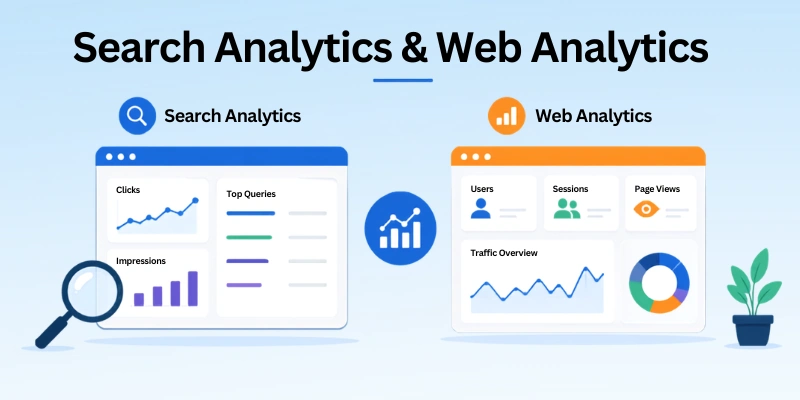
It also helps marketers make smarter decisions based on real numbers instead of guesswork. Many companies use analytics to guide strategies, plan content, and improve conversions over time.
Advantages of Analytics – Now, let’s see why analytics matter:
- Clear Insights: Shows visitor behavior in detail
- Better Decisions: Helps choose strategies that actually work
- Performance Tracking: Measures marketing and campaign success
- Continuous Growth: Supports ongoing website improvement
Disadvantages of Analytics – Here are some challenges to consider:
- Complex Data: Can be difficult for beginners to understand
- Setup Required: Tools need proper configuration
- Risk of Misinterpretation: Wrong analysis can lead to poor decisions
- Time-Consuming: Requires regular monitoring and review
Example: When you check your website dashboard and see that a page is getting many views, you improve and update it to keep visitors engaged longer.
Best For – Analytics works best for:
- Digital Marketers: Tracking campaign performance
- Content Creators: Understanding audience behavior
- E-commerce Sites: Improving sales and user experience
- SEO Strategies: Optimizing search performance
- Growth-Focused Businesses: Making data-driven decisions
Bad For – It may not suit:
- No Data Teams: Businesses without time or skills to analyze data
- Small Static Websites: Sites with very little traffic
- Quick Campaigns: Short-term marketing efforts
- Low Technical Setup: Businesses without analytics tools
13. Cost Per Impression (CPI) Advertising
Cost Per Impression (CPI) Advertising charges businesses based on how many times an ad is shown, not on clicks or actions. It is mainly used to build brand awareness and increase visibility.
With this method, companies introduce their products to a large audience and stay top of mind. It works best when the main goal is exposure rather than immediate interaction or sales.
Advantages of CPI Advertising – Here’s why many brands choose this approach:
- Wide Reach: Shows ads to a large number of users
- Brand Awareness: Builds recognition over time
- Cost Clarity: Cost per impression is predictable
- High Visibility: Helps new brands get noticed quickly
Disadvantages of CPI Advertising – Let’s point out some limitations:
- No Guaranteed Clicks: Users may ignore the ad
- Higher Spending Risk: Many impressions can increase cost
- Unclear Conversions: Hard to measure direct results
- Strong Creativity Needed: Ads must stand out to be effective
Example: When users scroll through a news app and repeatedly see an ad for FreshBite Café, they may remember the brand later and visit it when needed.
Best For – CPI Advertising works best for:
- Brand Awareness Campaigns: Companies focusing on visibility
- New Businesses: Startups introducing themselves to the market
- Large Audiences: Brands targeting mass exposure
- Product Launches: Building early recognition
- Top-of-Mind Marketing: Staying visible to potential customers
Bad For – It may not suit:
- Sales-Focused Campaigns: Businesses needing instant conversions
- Small Budgets: High impression costs can add up
- Performance Tracking Needs: When direct ROI is required
- Low-Quality Creatives: Ads without strong visuals or messaging
14. Podcast Marketing / Audio Marketing
Podcast Marketing uses audio content to reach listeners in a personal and engaging way. Brands can sponsor podcast episodes, run audio ads, or create their own shows to share stories, tips, and product information.
Since people often listen to podcasts while driving, walking, or relaxing, this method creates strong engagement and long listening time. It also builds trust because audiences connect naturally with the speaker’s voice.
Advantages of Podcast Marketing – Here are the reasons this method works well:
- Strong Engagement: Creates a personal connection with listeners
- Flexible Listening: People can listen during daily activities
- Builds Trust: Voice communication feels natural and trustworthy
- Cost-Friendly: Usually cheaper than producing videos
Disadvantages of Podcast Marketing – Here are some challenges to consider:
- No Visual Content: Difficult to show products directly
- Slow Audience Growth: Requires regular promotion and consistency
- Audio Quality Needs: Good recording equipment is important
- Tracking Difficulty: Measuring exact results can be challenging
Example: When you listen to a fitness podcast and hear the host recommend a new protein bar, you may become interested enough to try the product later.
Best For – Podcast Marketing works best for:
- Educational Brands: Sharing tips, advice, or knowledge
- Personal Branding: Building authority and trust
- Lifestyle Businesses: Fitness, health, business, and entertainment niches
- Storytelling Marketing: Brands with strong stories or experiences
- Audience Loyalty: Businesses wanting long-term engagement
Bad For – It may not suit:
- Visual Products: Items needing demonstrations or visuals
- Quick Results Needs: Brands expecting fast conversions
- Low Audio Quality Setup: Businesses without proper recording tools
- Short Attention Campaigns: Promotions requiring instant visibility
15. Blogging
Blogging helps brands share useful articles, guides, and tips that answer readers’ questions and provide valuable information. By publishing helpful content regularly, businesses can build trust and attract more organic traffic from search engines.
Blogging also supports SEO, social media, and email marketing by providing fresh content that can be shared across different platforms. Many companies use blogs to demonstrate expertise and connect naturally with their audience.
Advantages of Blogging – Let’s explore why blogging is effective:
- Helpful Content: Provides useful information to readers
- Organic Traffic: Attracts visitors from search engines
- Builds Authority: Shows the brand as an expert in its field
- Supports Marketing: Strengthens SEO, email, and social media efforts
Disadvantages of Blogging – Here are some things to remember:
- Time-Consuming: Writing quality articles requires effort
- Needs Consistency: Blogs must be updated regularly
- High Competition: Many websites publish similar topics
- Promotion Required: Posts need sharing to reach more readers
Example: When you read a blog explaining “how to choose the right backpack,” you begin to trust the brand more and may consider buying from them later.
Best For – Blogging works best for:
- SEO Growth: Websites aiming for higher Google rankings
- Educational Brands: Businesses sharing guides and tips
- Long-Term Marketing: Companies building steady traffic
- Authority Building: Brands wanting expert status
- Content Marketing Strategies: Supporting other marketing channels
Bad For – It may not suit:
- Instant Results Needs: Businesses expecting quick traffic or sales
- No Writing Resources: Teams without content creators
- Inconsistent Publishing: Brands unable to post regularly
- Short-Term Campaigns: Promotions needing immediate attention
16. Thought Leadership Marketing
Thought Leadership Marketing positions a brand or individual as an expert in their industry. It focuses on sharing valuable insights, ideas, and professional knowledge that help audiences learn and solve problems.
By providing useful advice, trends, and expert opinions, businesses can stand out from competitors and build strong trust with their audience. This approach improves credibility and strengthens the overall brand reputation over time.
Advantages of Thought Leadership Marketing – Here’s why this strategy is valuable:
- Expert Positioning: Helps establish authority in the industry
- Builds Trust: Audiences value knowledgeable brands
- Audience Influence: Encourages people to follow your ideas and recommendations
- Strong Reputation: Improves brand credibility and recognition
Disadvantages of Thought Leadership Marketing – Let’s look at some challenges:
- Time-Intensive: Building authority takes consistent effort
- Content Quality Required: Weak insights reduce credibility
- High Competition: Many experts compete for attention
- Patience Needed: Trust and recognition grow gradually
Example: When a business leader shares expert advice about marketing trends on LinkedIn or through blogs, people begin to trust their knowledge and follow their recommendations.
Best For – Thought Leadership Marketing works best for:
- Industry Experts: Professionals with strong knowledge or experience
- B2B Businesses: Companies building authority in their field
- Consultants & Agencies: Brands offering expert services
- Personal Branding: Entrepreneurs and public speakers
- Long-Term Reputation Building: Businesses focused on trust and influence
Bad For – It may not suit:
- Quick Sales Campaigns: Brands wanting instant conversions
- No Unique Expertise: Businesses without valuable insights
- Inconsistent Content Creation: Companies unable to share ideas regularly
- Low Engagement Efforts: Brands not interested in audience interaction
17. Referral Marketing
Referral Marketing encourages satisfied customers to recommend a business to their friends, family, or colleagues. Since people trust personal recommendations more than advertisements, this method helps businesses gain new customers naturally.
Many companies offer rewards, discounts, or gifts to motivate customers to share referrals. This approach increases trust, expands reach, and helps businesses grow through word-of-mouth promotion.
Advantages of Referral Marketing – Here’s why referral marketing works well:
- Trusted Recommendations: People trust referrals from friends and family
- Easy Customer Growth: Helps attract new customers naturally
- Cost-Effective: Requires less spending compared to many ads
- Stronger Loyalty: Rewards encourage customer engagement
- Scalable: Works for both small and large businesses
Disadvantages of Referral Marketing – Let’s look at some challenges:
- Depends on Customer Satisfaction: Poor experiences reduce referrals
- Slow Growth at First: Takes time to build enough advocates
- Reward Costs: Incentives may increase expenses
- Limited Reach: Growth depends on customer participation
Example: When a customer shares a referral link with a friend and both receive a discount after a purchase, the business gains a new customer through trust-based promotion.
Best For – Referral Marketing works best for:
- Customer-Focused Businesses: Brands with strong customer satisfaction
- E-commerce Stores: Online businesses offering referral rewards
- Subscription Services: Apps and platforms encouraging invites
- Local Businesses: Restaurants, salons, and service providers
- Loyal Customer Bases: Companies with repeat buyers
Bad For – It may not suit:
- Poor Customer Experience: Businesses with low satisfaction levels
- One-Time Purchase Models: Limited repeat engagement
- Low Customer Interaction: Brands with weak relationships
- No Incentive Budget: Companies unable to offer rewards
18. Native Advertising & Contextual Ads
Native Advertising blends promotional content naturally into websites, apps, or platforms so it looks similar to regular content. Contextual Advertising shows ads based on what users are currently reading, watching, or searching online.
These advertising methods feel less intrusive than traditional ads, which helps brands attract attention more naturally. Businesses use them to increase engagement, improve click rates, and build brand awareness in a subtle way.
Advantages of Native and Contextual Advertising
Here’s why these methods are effective:
- Natural Appearance: Ads blend smoothly with surrounding content
- Relevant Targeting: Shows ads based on user interests or content context
- Higher Engagement: Users are more likely to click relevant ads
- Brand Awareness: Promotes products without feeling overly promotional
- Less Intrusive: Creates a smoother browsing experience
Disadvantages of Native and Contextual Advertising
Let’s look at some challenges:
- Creative Effort Needed: Ads must match the platform naturally
- Ad Recognition: Some users may still ignore sponsored content
- Competition: Many brands compete for attention
- Performance Variation: Results depend on content relevance
Example: When you read an article about fitness tips and see a sponsored recommendation for running shoes that matches the topic, contextual advertising is being used effectively.
Best For – Native and Contextual Advertising work best for:
- Content Marketing Campaigns: Brands sharing educational or useful content
- E-commerce Businesses: Promoting products naturally
- Brand Awareness Goals: Companies focusing on visibility
- Publishers and Blogs: Websites with regular content traffic
- Audience Targeting: Businesses wanting relevant ad placement
Bad For – It may not suit:
- Hard-Sell Campaigns: Brands needing aggressive promotion
- Low-Quality Content: Weak articles reduce effectiveness
- Small Budgets: Premium placements may cost more
- Instant Conversion Goals: Campaigns focused only on immediate sales
19. Behavioural Targeting & Remarketing
Behavioural Targeting shows ads based on a user’s past online activity, such as pages visited, searches made, or products viewed. Remarketing focuses on reminding users about products or services they previously explored but did not purchase.
These methods help businesses reconnect with interested users and improve the chances of conversions. Since the ads feel more relevant to users, they often generate better engagement and sales results.
Advantages of Behavioural Targeting and Remarketing – Here’s why these strategies are effective:
- Personalized Ads: Shows content based on user interests and actions
- Higher Conversion Potential: Targets people already interested in products
- Better Engagement: Relevant ads receive more attention
- Improved Brand Recall: Reminds users about products they viewed
- Strong for E-commerce: Helps recover lost sales opportunities
Disadvantages of Behavioural Targeting and Remarketing – Let’s look at some challenges:
- Privacy Concerns: Some users dislike tracking-based ads
- Ad Fatigue: Repeated ads may annoy users
- Technical Setup Needed: Requires tracking tools and cookies
- Dependence on Data: Poor data reduces targeting accuracy
Example: When you browse an online store for shoes and later see the same shoes advertised on another website or social media platform, remarketing is being used to remind you about the product.
Best For – Behavioural Targeting and Remarketing work best for:
- E-commerce Stores: Recovering abandoned carts and repeat visits
- Online Services: Re-engaging interested users
- Sales Campaigns: Improving conversion rates
- Personalized Marketing: Delivering relevant advertisements
- Retargeting Strategies: Bringing back previous website visitors
Bad For – It may not suit:
- Privacy-Sensitive Audiences: Users uncomfortable with tracking
- Low Website Traffic: Limited visitor data reduces effectiveness
- Simple Brand Awareness Campaigns: Broad visibility goals only
- Businesses Without Tracking Tools: No analytics or retargeting setup
20. Email Automation Marketing
Email Automation sends emails automatically based on user actions, such as signing up for a newsletter, making a purchase, or leaving items in a cart. This method helps businesses communicate with customers without sending emails manually every time.
Automated emails can welcome new subscribers, share promotions, remind users about abandoned carts, and keep customers engaged throughout their journey. Many businesses use email automation to save time, improve communication, and increase sales.
Advantages of Email Automation – Here’s why email automation is useful:
- Automatic Communication: Sends emails based on customer actions
- Time-Saving: Reduces manual work for businesses
- Better Engagement: Keeps users connected with the brand
- Higher Sales Potential: Encourages purchases and conversions
- Flexible Usage: Can welcome, promote, or remind customers
Disadvantages of Email Automation – Let’s look at some challenges:
- Setup Required: Automation flows need proper planning
- Spam Risk: Too many emails may annoy users
- Technical Knowledge Needed: Requires email tools and integrations
- Maintenance: Campaigns need updates and monitoring
Example: When you add products to an online cart but leave without buying, an automated email may remind you to complete the purchase and sometimes offer a discount.
Best For – Email Automation works best for:
- E-commerce Stores: Cart reminders and product promotions
- Subscription Businesses: Welcoming and engaging subscribers
- Customer Retention: Maintaining long-term communication
- Lead Nurturing: Guiding users through the buying journey
- Time-Saving Marketing: Businesses automating repetitive tasks
Bad For – It may not suit:
- No Email List: Businesses without subscribers or contacts
- Poor Content Strategy: Weak email messaging reduces engagement
- Over-Automation: Brands sending too many emails
- Low-Tech Businesses: Companies without email automation tools
21. Community Marketing
Community Marketing focuses on building a loyal group of people around a brand. It encourages customers and followers to connect, share experiences, and interact with each other through social media groups, forums, or online communities.
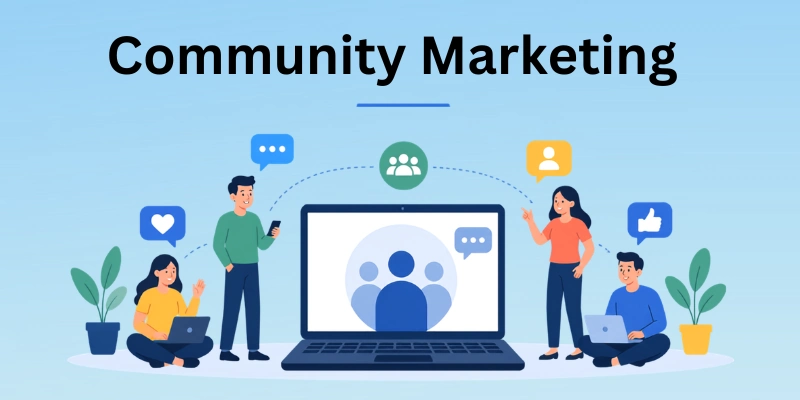
Strong communities help businesses increase engagement, build customer loyalty, and spread word-of-mouth recommendations naturally. Brands can also participate in discussions, answer questions, and provide value to members regularly.
Advantages of Community Marketing – Here’s why community marketing is effective:
- Builds Loyalty: Creates strong relationships with customers
- Encourages Interaction: Members share ideas and experiences
- Boosts Engagement: Increases discussions and participation
- Word-of-Mouth Growth: Happy members recommend the brand to others
- Long-Term Support: Communities help retain customers over time
Disadvantages of Community Marketing – Let’s look at some challenges:
- Time-Consuming: Communities need regular management and interaction
- Negative Discussions: Complaints or criticism can spread publicly
- Slow Growth: Building an active community takes time
- Consistent Value Needed: Members expect ongoing support and content
Example: When customers join a Facebook group for a fitness brand and share workout tips, product experiences, and advice, the community becomes more active and loyal to the brand.
Best For – Community Marketing works best for:
- Lifestyle Brands: Fitness, gaming, fashion, and hobby businesses
- Social Media Brands: Companies active on online platforms
- Customer-Focused Businesses: Brands wanting long-term relationships
- Subscription Services: Businesses building loyal user bases
- Engagement Strategies: Companies encouraging discussions and sharing
Bad For – It may not suit:
- Quick Sales Campaigns: Businesses focused only on instant conversions
- Low Interaction Brands: Companies not engaging with audiences
- Limited Management Time: Businesses unable to monitor communities
- One-Time Purchase Products: Brands with low repeat engagement
22. Event Marketing (Online & Offline)
Event Marketing promotes a brand through events, webinars, trade shows, workshops, or live activities. It allows people to experience products or services directly and interact with the brand in a more personal way.
Both online and offline events help businesses create memorable experiences, attract new customers, and strengthen relationships with existing ones. Many brands use event marketing to increase engagement and build stronger connections with their audience.
Advantages of Event Marketing – Here’s why event marketing is effective:
- Direct Interaction: Customers experience products or services firsthand
- Personal Connections: Builds stronger relationships with audiences
- Brand Awareness: Increases visibility and attention
- Customer Engagement: Encourages participation and communication
- Flexible Format: Works for both online and offline events
Disadvantages of Event Marketing – Let’s look at some challenges:
- Higher Costs: Events may require venue, setup, or promotion expenses
- Time-Consuming: Planning and organizing take effort
- Limited Reach: Physical events may attract smaller audiences
- Attendance Risk: Low participation can affect results
Example: When a company hosts a live webinar to demonstrate its software, attendees can ask questions, learn features directly, and feel more connected to the brand.
Best For – Event Marketing works best for:
- Product Launches: Introducing new products or services
- B2B Businesses: Networking and relationship building
- Educational Brands: Hosting workshops and webinars
- Local Businesses: Community events and promotions
- Customer Engagement Campaigns: Building stronger audience interaction
Bad For – It may not suit:
- Low Budget Businesses: Limited resources for organizing events
- No Audience Base: Brands without existing interest or followers
- Quick Campaign Goals: Businesses needing instant online reach
- Limited Planning Resources: Teams unable to manage logistics
23. Web Push Notification Marketing
Web Push Notifications send short messages to users directly through their web browsers. These notifications can inform people about offers, updates, new content, or reminders even when they are not actively browsing the website.
This method helps businesses bring users back to their site, increase engagement, and improve traffic. Since notifications appear instantly, they work best when messages are short, clear, and relevant.
Advantages of Web Push Notifications – Here’s why web push notifications are effective:
- Instant Communication: Messages reach users immediately
- User Reminders: Keeps people updated about offers and content
- Traffic Growth: Encourages users to revisit the website
- Higher Engagement: Quick alerts increase interaction
- Simple Messaging: Short notifications are easy to read
Disadvantages of Web Push Notifications – Let’s look at some challenges:
- Notification Fatigue: Too many alerts may annoy users
- Permission Required: Users must allow notifications first
- Limited Message Space: Only short content can be shown
- Lower Interest Over Time: Repeated notifications may be ignored
Example: When a shopping website sends a browser notification about a flash sale, users may click the alert and return to the site immediately.
Best For – Web Push Notifications work best for:
- E-commerce Stores: Promoting sales and discounts
- News Websites: Sharing breaking updates quickly
- Content Platforms: Bringing readers back to new articles
- Time-Sensitive Offers: Flash sales and urgent announcements
- Engagement Campaigns: Encouraging repeat visits
Bad For – It may not suit:
- Over-Promotional Brands: Sending too many alerts
- Low-Traffic Websites: Few subscribers reduce impact
- Long-Form Communication: Detailed information doesn’t fit notifications
- Poor Timing Strategies: Random alerts may reduce engagement
24. User-Generated Content (UGC) Marketing
UGC Marketing uses content created by customers, such as reviews, photos, videos, or social media posts. People trust this type of content because it comes from real users instead of brands.
Sharing UGC helps businesses build trust, increase engagement, and connect with their audience in a more natural way. It also provides authentic and cost-effective content for marketing campaigns.
Advantages of UGC Marketing – Here’s why UGC marketing is powerful:
- Builds Trust: Real customer opinions feel more authentic
- Higher Engagement: Encourages more interaction from users
- Cost-Effective Content: Provides free marketing material
- Stronger Credibility: Social proof increases brand reliability
- Better Reach: Customers often share content with others
Disadvantages of UGC Marketing – Let’s look at some challenges:
- Less Control: Brands cannot fully control user content
- Quality Variation: Content may not always be high quality
- Negative Posts: Poor reviews can affect brand image
- Moderation Needed: Requires monitoring and approval
Example: When customers share photos of a product they bought and post reviews on social media, other people trust those real experiences and feel more confident buying the same product.
Best For – UGC Marketing works best for:
- E-commerce Brands: Showcasing real product use
- Social Media Campaigns: Encouraging user participation
- Lifestyle Products: Fashion, beauty, travel, and fitness
- Brand Awareness: Building trust through real experiences
- Community-Driven Brands: Encouraging customer interaction
Bad For – It may not suit:
- Strict Brand Control Needs: Companies needing full content approval
- Low Customer Engagement: Brands with few active users
- Highly Sensitive Industries: Where user content must be regulated
- New Businesses: Without an existing customer base
25. Interactive Content Marketing
Interactive Content Marketing uses engaging tools like quizzes, polls, calculators, surveys, and games to involve users directly. Instead of only reading, people actively participate with the content, which makes the experience more memorable.
This type of marketing increases user engagement, improves time spent on websites, and encourages sharing. It also helps brands attract more visitors through fun and useful interactions.
Advantages of Interactive Content – Here’s why this method works well:
- Active Engagement: Users participate instead of just reading
- More Time on Site: Keeps visitors on your website longer
- Higher Sharing: People are more likely to share interactive content
- Better Brand Recall: Fun experiences make the brand memorable
- Improved Engagement: Increases clicks and user interaction
Disadvantages of Interactive Content
Let’s look at some challenges:
- Higher Development Effort: Needs design and technical work
- Cost: Building interactive tools can be expensive
- Maintenance: Content may need updates and testing
- Device Compatibility: Some features may not work on all devices
Example: When a user takes a “Which product suits you best?” quiz on a website and gets personalized results, they feel more connected to the brand and are more likely to explore products.
Best For – Interactive Content Marketing works best for:
- E-commerce Stores: Product recommendation quizzes
- Education Platforms: Learning-based engagement tools
- Social Media Campaigns: Polls and interactive posts
- Lead Generation: Collecting user data through quizzes or surveys
- Brand Awareness Campaigns: Making content fun and shareable
Bad For – It may not suit:
- Low-Budget Businesses: Limited resources for development
- Simple Websites: No need for complex engagement tools
- Time-Sensitive Campaigns: Quick promotions with short duration
- Low-Tech Teams: No technical support for building tools
26. In-Game Advertising
In-Game Advertising places ads inside mobile or video games. Players see these ads while playing, and they can appear as static banners, video ads, or interactive brand experiences within the game.
This method is effective for reaching younger audiences and gaming communities. It helps brands increase visibility and can also influence buying decisions in a natural, non-intrusive way.
Advantages of In-Game Advertising – Here’s why this method works well:
- High Engagement: Players notice ads during gameplay
- Strong Reach: Connects with gamers and younger audiences
- Interactive Options: Ads can be playable or engaging
- Brand Visibility: Keeps the brand in front of users
- Influence on Buying: Can shape purchase decisions subtly
Disadvantages of In-Game Advertising – Let’s look at some challenges:
- User Distraction Risk: Poor placement can annoy players
- Limited Audience: Mainly targets gaming users only
- Ad Blocking: Some games reduce ad visibility
- Creative Limits: Ads must fit the game environment
Example: When you play a mobile racing game and see a billboard inside the track showing a soft drink brand, that is in-game advertising. It feels natural because it blends into the game environment.
Best For – In-Game Advertising works best for:
- Gaming Audiences: Brands targeting young and active users
- Mobile App Games: Free-to-play game monetization
- Brand Awareness Campaigns: Increasing visibility
- Entertainment Brands: Movies, tech, and lifestyle products
- Mass Exposure Goals: Reaching large gaming communities
Bad For – It may not suit:
- B2B Services: Businesses not targeting gamers
- Professional Products: Services needing serious tone
- Small Budget Campaigns: High-quality ad placements can cost more
- Non-Digital Audiences: Users not active in gaming apps
27. Digital Billboard & Crowdsourcing Marketing
Digital Billboards display advertisements on electronic screens in public places such as roads, malls, airports, and city centers. Crowdsourcing Marketing collects ideas, content, or feedback from a large group of people to create better campaigns and fresh marketing content.
Both methods help brands increase reach, improve creativity, and connect with large audiences in modern and engaging ways.
Advantages of Digital Billboards and Crowdsourcing – Here’s why these strategies are useful:
- High Visibility: Digital billboards attract attention in busy locations
- Large Reach: Both methods connect with wide audiences
- Creative Input: Crowdsourcing brings fresh ideas from real users
- Fast Exposure: Messages spread quickly and effectively
- Stronger Engagement: People interact more with modern campaigns
Disadvantages of Digital Billboards and Crowdsourcing
Let’s look at some challenges:
- High Cost: Digital billboard advertising can be expensive
- Limited Targeting: Public ads reach broad audiences, not specific users
- Content Control Issues: Crowdsourced ideas may vary in quality
- Management Effort: Crowdsourcing needs moderation and planning
Example: A digital billboard in a busy city shows a new smartphone ad, while the same brand runs a campaign asking users to submit creative video ideas for their next promotion.
Best For – These methods work best for:
- Big Brands: Companies with large marketing budgets
- Awareness Campaigns: Increasing visibility quickly
- Creative Industries: Fashion, tech, and entertainment brands
- Public Engagement Campaigns: Involving audiences in ideas
- Event Promotions: Reaching people in high-traffic areas
Bad For – They may not suit:
- Small Businesses: Limited budget for large-scale ads
- Niche Targeting Needs: Businesses needing specific audiences
- Low Management Resources: Teams unable to handle crowdsourcing
- Local Small Campaigns: Ads that don’t need mass exposure
28. Crowdsourcing Marketing
Crowdsourcing Marketing uses ideas, feedback, content, or solutions collected from a large group of people, often online. Instead of relying only on internal teams, brands invite customers or the public to contribute to campaigns, product ideas, designs, or promotions.
This method helps businesses generate fresh creativity, understand customer needs better, and build stronger engagement. It also makes people feel involved with the brand, which increases trust and loyalty.
Advantages of Crowdsourcing Marketing – Here’s why this approach works well:
- Fresh Ideas: Brings creative input from many people
- Better Engagement: Customers feel involved in the brand
- Cost-Effective Creativity: Reduces the need for large internal teams
- Improved Insights: Helps understand customer preferences
- Stronger Community Feel: Builds a sense of participation
Disadvantages of Crowdsourcing Marketing
Let’s look at some challenges:
- Quality Control: Not all ideas are useful or professional
- Time-Consuming: Sorting and reviewing submissions takes effort
- Management Needed: Requires moderation and clear guidelines
- Limited Control: Brand message can become inconsistent
Example – When a brand asks users to submit logo ideas or create videos for a campaign, the best submissions may be used in real marketing promotions.
Best For – Crowdsourcing Marketing works best for:
- Creative Campaigns: Brands looking for new ideas
- Product Development: Improving products using user feedback
- Engagement Strategies: Involving customers in decisions
- Social Media Campaigns: Encouraging user participation
- Community-Based Brands: Businesses with active audiences
Bad For – It may not suit:
- Highly Controlled Branding: Companies needing strict messaging
- Time-Sensitive Projects: Campaigns requiring fast execution
- Low Audience Engagement: Brands without active users
- Sensitive Industries: Where public input may not be suitable
Conclusion
That’s all for now, let’s conclude. In this article, we’ve covered the types of digital marketing in detail.
From my experience, using digital marketing wisely can help your business grow faster and reach more people.
I recommend starting with small campaigns and testing what works best for you. If you want to improve your online presence, start planning your digital marketing strategy today!
FAQs: Types of Digital Marketing
I have added almost all the FAQs related to digital marketing types that might confuse you, but if you still have any questions, feel free to ask in the comments section:
The 9 main digital marketing types are:
- Search Engine Optimization (SEO)
- Pay-Per-Click Advertising (PPC)
- Social Media Marketing
- Content Marketing
- Email Marketing
- Affiliate Marketing
- Influencer Marketing
- Video Marketing
- Conversion Rate Optimization (CRO)
Each type helps businesses reach more people and grow online in different ways.
The 5 A’s of digital marketing are
- Awareness
- Attraction
- Action
- Acquisition
- Advocacy
These steps show how customers move from learning about a business to becoming loyal supporters.
Yes, ChatGPT can help with SEO. It can
- Find and suggest keywords
- Create meta tags for web pages
- Generate schema markup
- Give ideas for content
- Find websites for outreach
These tasks make SEO work easier and faster.
The 30% rule in AI means:
- AI does about 70% of repetitive work
- Humans do the remaining 30%
This way, AI helps people instead of replacing them. Human skills like thinking, creativity, and decision-making remain very important.
B2B marketing means business-to-business marketing. It is when one business tells another business about a product or service. The main goal is to reach decision-makers in a company, not individual customers.
The 7 P’s of marketing are:
- Product
- Price
- Place
- Promotion
- People
- Process
- Physical Evidence
These elements help businesses plan marketing strategies and meet customer needs.
The 7 pillars of digital marketing are SEO, content marketing, social media marketing, PPC, email marketing, conversion rate optimization, and analytics. These pillars form the foundation of a strong digital marketing strategy. By using all of them together, businesses can reach more people, improve their online presence, and grow effectively.




- Be Respectful
- Stay Relevant
- Stay Positive
- True Feedback
- Encourage Discussion
- Avoid Spamming
- No Fake News
- Don't Copy-Paste
- No Personal Attacks
- Be Respectful
- Stay Relevant
- Stay Positive
- True Feedback
- Encourage Discussion
- Avoid Spamming
- No Fake News
- Don't Copy-Paste
- No Personal Attacks
