Digital Marketing for Travel Industry: Beginner’s Growth Tips
Published: 19 May 2026
Have you ever wondered how travellers find the perfect trip online? Most people now plan their vacations using websites, social media, and travel apps. For travel businesses like agencies, tour operators, or hotels, having a strong digital presence is key.
A hotel posting a virtual tour on Facebook can get direct bookings from curious travellers who see the rooms and amenities online.
This article will guide you through the main strategies of digital marketing for travel industry to help your travel business attract more clients and boost bookings.
Understanding Your Audience
Before you start any marketing, you need to know who you’re trying to reach. The more you understand your travellers, the easier it is to create messages, offers, and content that actually appeal to them.
Identify Your Ideal Traveller
Not all travellers are the same. Think about the types of people who might book with you:
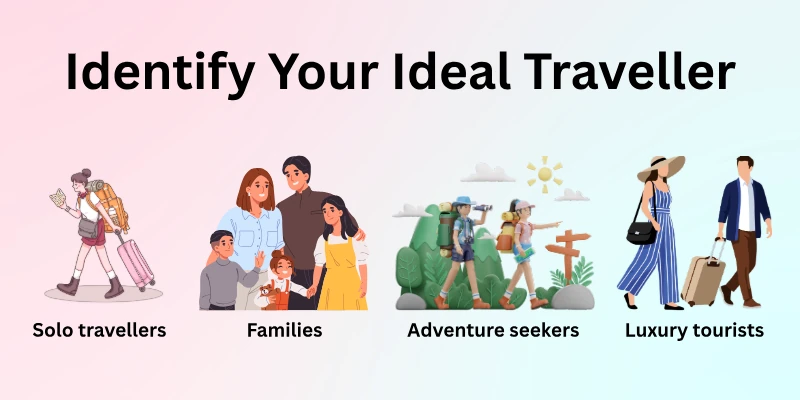
- Solo travellers: They want adventure or a personal experience.
- Families: They look for convenience, safety, and kid-friendly activities.
- Adventure seekers: They are after hiking, diving, or thrill-seeking experiences.
- Luxury tourists: They want high-end hotels, fine dining, and exclusive experiences.
Tip: Make a simple profile for each type. Just note their age, interests, and what kind of trips they like. It doesn’t have to be complicated, but it will help you create content that speaks to them.
Understand How Travellers Behave
Think about how your audience plans trips online. Most travellers search Google, check reviews, watch videos, and read blogs before making a decision.
Example:
- A family might read blogs about safe resorts.
- A solo traveller might watch Instagram reels of adventure tours.
- A luxury tourist might browse high-end hotel websites.
Tip: Pay attention to which content gets the most engagement. Then create more posts, blogs, or ads that match what your travellers are looking for.
Digital Marketing Strategies for the Travel Industry
To grow your travel business online, you need to use multiple digital marketing strategies. Each one helps you reach travellers in a different way, attract them to your brand, and encourage them to book.
Here’s a detailed explanation of the main marketing strategy for travel agency:
1. Website Optimization
Your website is your digital shopfront. If it doesn’t work well, travellers will leave before seeing your offers.
- Mobile-friendly design: Most people browse on phones or tablets. Your site should look good and work smoothly on small screens.
- Fast loading speed: A slow website frustrates visitors and can make them leave. Keep images optimized and use a reliable hosting service.
- Practical tip: Make booking forms simple, with as few steps as possible. Add attractive photos of destinations, tours, or hotel rooms to inspire visitors.
Example: A boutique hotel showing a virtual tour of its rooms makes it easier for visitors to imagine staying there and increases the chances of booking.
2. Travel Agency SEO
SEO helps your website appear when people search for trips, tours, or hotels online.
- Target keywords: Think about what travellers type in Google, like “best tours in Bali” or “affordable family vacations in Italy”.
- Local SEO: Optimize your website so travellers nearby can find your business easily.
- Content strategy: Write travel guides, blogs, or pages about destinations. This increases your chances of ranking higher in search results.
Example: A tour company publishing a detailed blog about “Top 10 Things to Do in Paris” can show up in Google searches, bringing in new clients.
3. Social Media Marketing for Travel Agency
Social media lets you reach travellers where they spend most of their time online.
- Platforms: Instagram and TikTok are great for visuals and short videos, Facebook works well for detailed posts, and Pinterest is ideal for travel inspiration.
- Content ideas: Post photos, reels, stories, and tips about destinations. Share behind-the-scenes content or traveller testimonials.
Example: A hotel posting short Instagram videos of its pool, rooftop views, or local experiences can inspire followers to book a stay.
Tip: Post consistently and engage with followers by replying to comments or messages.
4. Content Marketing for Travel Agency
Content marketing is about providing valuable information that helps travellers plan their trips.
- Types of content: Blog posts, travel guides, itineraries, checklists, and destination tips.
- Practical tip: Offer downloadable content like packing lists, e-books, or a “7-Day Travel Planner” to attract emails or bookings.
Example: A travel agency sharing a blog about “5 Hidden Beaches in Thailand” can attract adventure travellers looking for unique experiences.
5. Email Marketing
Email lets you reach travellers directly with personalized messages.
- Types of emails: Seasonal deals, newsletters, travel tips, or exclusive offers.
- Segment your audience: Send family deals to parents, adventure tours to solo travellers, and luxury packages to high-end clients.
Example: An email titled “Top 5 Winter Destinations for Families” can motivate parents to book early for the holiday season.
Tip: Keep emails short, visual, and actionable with clear “Book Now” buttons.
6. Paid Advertising
Paid ads are a fast way to reach people actively looking for travel services.
- Google Ads: Show up in search results for specific trips, tours, or hotel bookings.
- Social media ads: Promote special offers or seasonal deals to targeted audiences.
Example: A travel agency running Facebook ads for a summer tour package can get direct inquiries and bookings quickly.
Tip: Use retargeting to reach people who visited your site but didn’t book, reminding them of your services.
7. Influencer and Partnership Marketing
Influencers and partnerships help you reach new audiences through trusted voices.
- Collaborations: Work with travel bloggers, Instagram creators, or local businesses.
- Practical tip: Partner with a local guide or attraction to create joint content that highlights your tours.
Example: A travel influencer sharing their experience of your adventure tour on Instagram can inspire hundreds of followers to book the same trip.
8. Video Marketing
Video content is one of the most powerful ways to inspire travel.
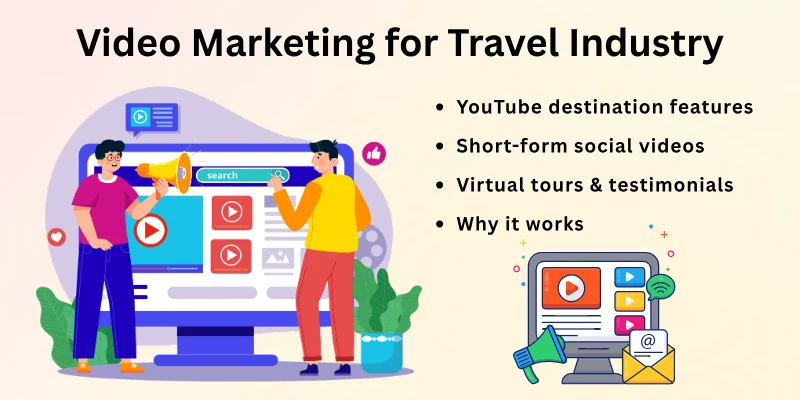
- YouTube destination features: Showcase your tours, hotels, or destinations in detailed videos.
- Short-form social videos: Use Instagram Reels, TikTok, or Facebook Shorts for quick, engaging highlights.
- Virtual tours and testimonials: Show real experiences, customer stories, or property walkthroughs.
- Why it works: Video creates a stronger emotional connection and inspires travellers to book.
Example: Short videos of festivals or virtual hotel tours are great examples of how social media for travel companies helps boost engagement and bookings.
Tracking and Measuring Success for the Travel Industry
Once you start your digital marketing for travel, it’s important to see what’s working and what’s not. Tracking results helps you make smarter decisions and grow your business faster.
Key Metrics to Monitor
- Website traffic: See how many people visit your site and which pages they like most.
- Bookings: Track how many visitors actually make a reservation or purchase a package.
- Click-through rates (CTR): Check how many people click on your ads, emails, or social posts.
- Social engagement: Look at likes, comments, shares, and follows to understand which content your audience enjoys.
Tip for travel agency marketing tools: Use free tools like Google Analytics for your website and built-in insights on Instagram, Facebook, or TikTok to monitor performance easily.
Adjusting Strategies
- Tracking is only useful if you act on the data. Notice what performs well and do more of it.
- Example: If Instagram posts about your adventure tours get lots of engagement but your email campaigns don’t, focus on creating more visual content for social media.
- Small tweaks, like changing headlines, images, or posting times, can make a big difference over time.
Practical Tips for Travel Businesses
These small, easy steps can make a big difference for your travel business online. They help you stand out, build trust, and get more bookings.
Post high-quality visuals and videos
- Travellers are inspired by what they see. Use clear photos of destinations, hotel rooms, tours, or activities.
- Example: Share a short video of a sunset from your resort’s rooftop to attract followers.
Share traveller reviews and testimonials
- People trust real experiences more than ads. Display positive reviews on your website and social media.
- Example: Post a photo of a happy family on a tour with a short quote about their experience.
Encourage user-generated content
- Ask travellers to share their photos or tag your business. It builds credibility and engagement.
- Example: Run a small Instagram contest asking visitors to post their travel photos with your hashtag.
Offer limited-time deals to create urgency
- Special offers encourage travellers to book sooner rather than later.
- Example: “Book this weekend and get 10% off our adventure tour in Bali.”
Optimize for mobile users
- Most travellers browse and book trips on phones. Make sure your website, booking forms, and emails work perfectly on mobile.
- Tip: Check that images load quickly and buttons are easy to tap.
Final Note
Digital marketing for travel industry helps travel businesses attract more travellers, increase bookings, and build stronger relationships online. Today, most people search for destinations, compare prices, and read reviews before booking a trip, which makes a strong digital presence essential.
Strategies like SEO, social media marketing, email campaigns, and video content help travel companies stay visible and inspire potential customers. The key is to create useful, engaging, and visually appealing content that matches what travellers are looking for.
Even small improvements, such as posting better travel videos or optimizing your website for mobile users, can lead to better engagement and more bookings. With consistent effort, digital marketing can help travel businesses grow steadily in a highly competitive market.
FAQs: Digital Marketing for Travel Industry
These frequently asked questions cover digital marketing for travel agencies and show how to reach more travellers effectively:
Digital marketing for the travel industry means promoting travel services online. This includes social media, websites, emails, and ads. Travel companies use it to attract more travellers and increase bookings.
Some effective strategies are:
- Posting engaging photos and videos on social media
- Writing helpful travel guides or blogs
- Sending personalized emails with deals
- Running paid ads for popular destinations
These strategies help travel companies connect with potential travellers easily.
Travel agent marketing tools include:
- Social media schedulers for Instagram and Facebook
- Email platforms to send offers and newsletters
- Website analytics tools to track visitor behaviour
- Booking management systems to organize promotions
Using the right tools saves time and improves results.
Digital marketing helps small travel agencies by:
- Reaching more travellers online without spending a lot
- Building trust with reviews and social proof
- Sharing local travel tips and guides to stand out
Even with a small budget, smart marketing ideas for a travel agency can attract new clients.
Some ideas include:
- Creating short videos of tours or hotel experiences
- Offering downloadable itineraries or checklists
- Collaborating with influencers or bloggers
These ideas make travel services more visible and engaging online.
Marketing for travel and tourism helps businesses reach travellers who plan trips online. It increases bookings, builds a loyal audience, and showcases unique experiences. Even small updates on social media or blogs can have a big impact.




- Be Respectful
- Stay Relevant
- Stay Positive
- True Feedback
- Encourage Discussion
- Avoid Spamming
- No Fake News
- Don't Copy-Paste
- No Personal Attacks
- Be Respectful
- Stay Relevant
- Stay Positive
- True Feedback
- Encourage Discussion
- Avoid Spamming
- No Fake News
- Don't Copy-Paste
- No Personal Attacks
