Top Types of Viral Marketing to Grow Your Brand Fast
Published: 15 Mar 2026
Are you spending hours creating content that no one shares? Many brands fail because they don’t understand the kinds of viral marketing that actually work. From planned viral social media campaigns to emotional stories, each type has a purpose in driving engagement and visibility.
In this article, we will discuss types of viral marketing so you can use the right strategy to turn ordinary posts into content that spreads organically and grows your brand.
Now it’s time to break down the key viral marketing types.
Viral Marketing Types
Viral marketing is all about creating content that people can’t help but share. Some campaigns spread because they touch emotions; others because they surprise or reward viewers.
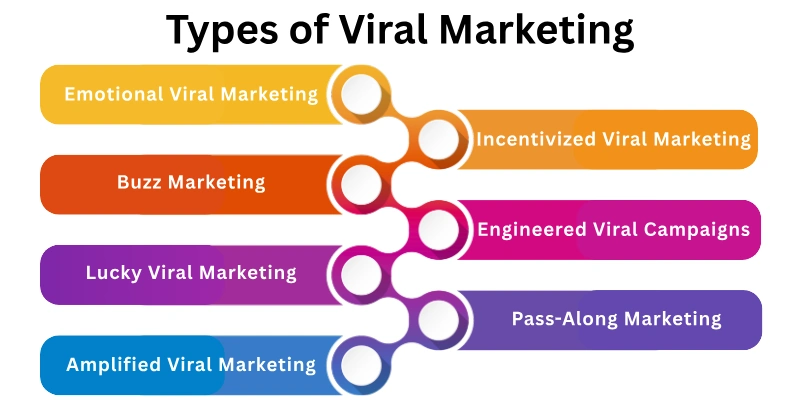
Here are the main types that drive virality today.
- Emotional Viral Marketing
- Buzz Marketing
- Incentivized Viral Marketing
- Engineered (Planned) Viral Campaigns
- Chance or Lucky Viral Marketing
- Controlled / Amplified Viral Marketing
- Pass-Along (Sharing Chain) Marketing
Let’s explore some examples of viral advertising in detail.
1. Emotional Viral Marketing
A story that feels personal stops people from scrolling. When content connects with real emotions, viewers stay longer and react naturally. That emotional pull turns a simple message into something people want to pass on. Sharing feels like expressing a feeling, not promoting a brand.
Example: A short video showing a father surprising his daughter after years apart spreads fast as people tag family members and share their own stories.
2. Buzz Marketing
Buzz grows when curiosity meets surprise. A brand introduces something unexpected that instantly grabs attention. People start talking, guessing, and reacting in public spaces. The noise itself becomes the marketing.
Example: A mysterious countdown post appears across social media, pushing users to comment and speculate before the reveal.
3. Incentivized Viral Marketing
Rewards turn sharing into a smart move. People spread the message because they gain something useful in return. Each share feels intentional and valuable. Clear benefits keep the momentum going.
Example: An app promises free premium access for every successful referral, leading users to compete and share links actively.
4. Engineered (Planned) Viral Campaigns
Strong planning shapes this approach from day one. Brands design content, select creators, and schedule promotion carefully. Early traction comes from controlled exposure. Momentum builds step by step.
Example: A brand launches a cinematic teaser, followed by influencer reactions that flood feeds within hours.
5. Chance or Lucky Viral Marketing
Unexpected virality often starts with a simple moment. A casual post hits the right mood at the right time. The audience decides its value, not the brand. A fast response helps extend the wave.
Example: A brand replies humorously to a trending tweet, and the response explodes with shares overnight.
6. Controlled / Amplified Viral Marketing
Performance guides amplification here. Brands identify winning content and push it further using paid reach. This method mixes creativity with data. Growth stays fast but controlled.
Example: A funny reel performs well organically, then doubles its reach after a strategic ad boost.
7. Pass-Along (Sharing Chain) Marketing
Value drives sharing in this method. People forward content because it feels helpful or relatable. Trust spreads through personal connections. The message stays alive for longer.
Example: A simple “10-second productivity hack” graphic circulates through office WhatsApp groups and email threads.
Benefits of Viral Marketing
When you create content that people actually love, it can spread faster than you ever imagined. Viral marketing doesn’t just reach more people—it helps your brand connect with your audience in a meaningful way. The right campaign can turn casual viewers into loyal followers and even customers.
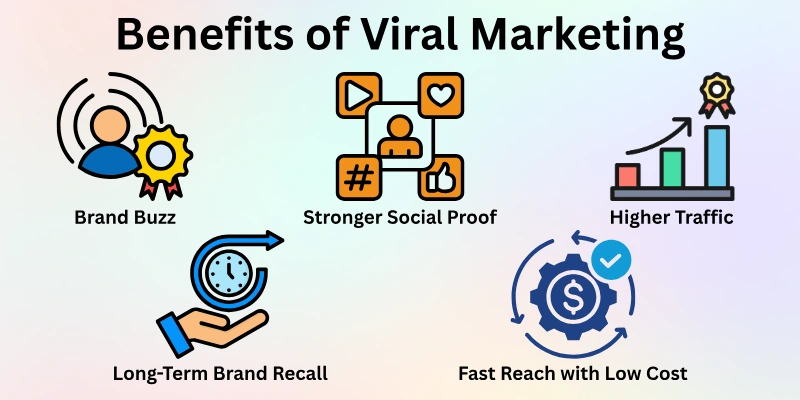
Here’s what your brand can gain:
- Fast Reach with Low Cost: Your content can go viral and reach thousands without spending a fortune on ads.
- Brand Buzz and Engagement: People talk about your brand, share your content, and create conversations around it.
- Higher Traffic and Conversions: More visitors to your site mean more sign-ups, purchases, or other valuable actions.
- Stronger Social Proof: When lots of people share or talk about you, new audiences automatically trust your brand.
- Long-Term Brand Recall: Memorable viral campaigns stick in people’s minds, keeping your brand top of mind.
Tips to Boost Viral Potential
Creating content that goes viral isn’t just about luck—it’s about understanding your audience and giving them something they can’t resist sharing. When your posts connect, entertain, or help people, they naturally spread.
These actionable tips can give your campaigns the extra push they need:
- Understand Your Audience: Know what your audience loves, shares, and reacts to. Tailoring your content to their preferences makes it more relatable and shareable.
- Leverage Social Media: Use the platforms your audience spends most time on. Interactive features like polls, stories, and reels encourage participation and sharing.
- Craft Headlines That Hook: A catchy, clear, and intriguing headline stops people from scrolling. The right words spark curiosity and increase clicks and shares.
- Partner with Influencers: Collaborate with creators who share your audience. Their endorsement builds trust and spreads your content faster.
- Use Visuals That Pop: Eye-catching images, GIFs, or short videos grab attention instantly and make people more likely to share.
- Encourage User Participation: Challenges, quizzes, or contests get people involved and create organic sharing opportunities.
FAQs: Types of Viral Marketing
Here are some common questions people ask about viral marketing types.
Viral marketing can spread in different ways. Some content spreads through emotion, buzz, or rewards. Other types rely on planning, user sharing, or a bit of luck. Knowing these types helps you pick the right strategy for your brand.
Emotional viral marketing taps into feelings like joy, surprise, or empathy. Content that makes people feel something strong is more likely to get shared. Brands use real stories or moments that connect emotionally with the audience.
Not all content goes viral even if it looks great. Viral success depends on timing, relevance, and how much people want to share it. Sometimes the idea isn’t interesting enough, or it doesn’t reach the right audience.
Types:
- Study your audience first.
- Pick viral types that match their interests.
- Test different ideas to see what they like most.
- Use data to refine your campaigns over time.
Yes. Small and big brands can both benefit from viral marketing. The key is to create content that interests your specific audience and encourages them to share with others.
It can vary. Some content goes viral in hours, while others take days or weeks. Viral spread depends on how quickly people react and share your content online.
Influencers can help your content reach more people faster because they already have followers who trust them. But you can also go viral without them if your content is strong and people share it naturally.
Wrapping Up
In this guide, we have covered types of viral marketing. Understanding these different types can help you create content that truly resonates with your audience.
My recommendation is to experiment with multiple approaches—emotional stories, buzz campaigns, and incentives—while carefully tracking what works best. Managing them effectively means planning, measuring results, and adapting your strategy as needed.
Thank you for taking the time to read this guide, and I hope it helps you create content that spreads far and wide.

- Be Respectful
- Stay Relevant
- Stay Positive
- True Feedback
- Encourage Discussion
- Avoid Spamming
- No Fake News
- Don't Copy-Paste
- No Personal Attacks
- Be Respectful
- Stay Relevant
- Stay Positive
- True Feedback
- Encourage Discussion
- Avoid Spamming
- No Fake News
- Don't Copy-Paste
- No Personal Attacks
