Types of Video Marketing: A Very Simple and Helpful Guide
Published: 11 Mar 2026
Have you ever watched a video and thought, “Wow… this makes everything so easy to understand”?
If yes, then you already know how powerful videos are. Videos can teach, guide, explain, show, and even tell a full story in just a few minutes. They feel simple, even when the topic is big. That’s why video marketing is used everywhere today.
In this article, you will learn all the types of video marketing in detail. I will guide you step by step so you understand everything easily. And by the end, you will feel confident that you can write, explain, or use these ideas on your own.
So let’s begin this journey together.
Types of Video Marketing
There are many types of video marketing. Each type has its own style, its own purpose, and its own special way of helping people. Some videos teach. Some show products. Some tell stories. Some build trust.

To make everything easy for you, I have made a list of all the video marketing types. Just read the names first. Then I will explain each one in simple language.
- Explainer Videos
- Tutorial Videos
- Product Demo Videos
- Testimonial Videos
- Animation Videos
- Behind-the-Scenes Videos
- Event Videos
- User-Generated Videos
- FAQ Videos
- AR/VR Experience Videos
- Comparison Videos
- Motivational Videos
- Case Study Videos
- Interactive Videos
- Personalized Videos
- Documentary-Style Videos
- Podcast Videos
- Whiteboard Videos
- Cinematic Brand Videos
- Customer Journey Videos
Now let’s walk through each type, one by one.
1. Explainer Videos
Explainer videos are short clips that simplify a product, service, or idea in a clear way. Using animations, graphics, or live action, they make complex topics easy to follow. Viewers watch them to quickly understand what something is or how it works.
These videos help audiences grab important information in seconds. They are often used on websites, social media, and product pages to attract and educate potential customers.
Pros
These points show why explainer videos are effective:
- Simplifies difficult ideas for easy understanding.
- Captures attention through visuals and storytelling.
- Performs well on websites and social platforms.
- Builds trust by explaining clearly.
Cons
Keep these challenges in mind:
- Requires careful planning to communicate clearly.
- High-quality animation can be costly.
- Needs to be concise to hold attention.
- Poor scripting may confuse viewers.
2. Tutorial Videos
Tutorial videos guide viewers step-by-step to learn a skill or task. They can cover cooking, software, crafts, or other topics. By visually showing each step, they make learning simple and easy to follow.
Learning becomes faster and easier when people can see it in action. Tutorials are widely shared on YouTube, blogs, and online courses to help users gain practical knowledge.
Pros
Here’s why tutorial videos stand out:
- Helps viewers master skills quickly.
- Establishes authority in your niche.
- Encourages repeat visits for more lessons.
- Increases engagement with your audience.
Cons
Watch out for these possible issues:
- Must clearly show each step.
- Mistakes can confuse viewers.
- Time-consuming to produce.
- May need extra resources or tools.
3. Product Demo Videos
Product demo videos show a product in action and highlight its main features and benefits. They give viewers a clear idea of how the product works and what value it offers.
Showing a product in real use helps potential customers make confident decisions. These videos are ideal for e-commerce sites, social media, and presentations to boost trust and sales.
Pros
These advantages make demo videos powerful:
- Demonstrates the real value of a product.
- Helps potential customers make buying decisions.
- Reduces questions and doubts.
- Encourages higher conversion rates.
Cons
Consider these challenges:
- Needs clear and visible product shots.
- Poor video quality can reduce trust.
- Too long can bore viewers.
- Requires proper planning and a script.
4. Testimonial Videos
Testimonial videos feature real customers sharing their experiences with a product or service. They highlight honest opinions and real-life results, helping viewers connect with your brand.
People trust authentic experiences more than advertisements. Testimonial videos are effective on websites, social media, and email campaigns to attract new buyers and boost credibility.
Pros
Here’s why testimonial videos work well:
- Builds trust with genuine stories.
- Highlights product benefits from a user perspective.
- Can be shared across multiple platforms.
- Encourages new customers to take action.
Cons
Keep these drawbacks in mind:
- Must be authentic and believable.
- Poor video quality can harm credibility.
- Depends on customer cooperation.
- Not all testimonials appeal to every viewer.
5. Animation Videos
Animation videos use moving graphics or characters to explain ideas or tell stories. They can be 2D, 3D, or motion graphics and make content fun and visually appealing.
Audiences are drawn to creative visuals that make information easy to understand. Animated videos are commonly used in marketing, education, and social media to grab attention and engage viewers.
Pros
These points explain why animations are effective:
- Captures attention through creative visuals.
- Makes difficult ideas easy to understand.
- Appeals to all age groups.
- Can be reused across platforms.
Cons
Consider these potential challenges:
- High production costs for quality animation.
- Requires time and skill to create.
- Needs professional designers or animators.
- Long videos may lose viewer interest.
6. Behind-the-Scenes Videos
Behind-the-scenes videos show the process behind making a product, running a business, or creating content. They give viewers a peek into real activities that usually stay hidden. These videos make brands feel more personal and relatable.
Audiences love seeing the human side of a brand. Behind-the-scenes videos are used on social media, websites, and campaigns to build trust and a closer connection with viewers.
Pros
Here’s why behind-the-scenes videos are effective:
- Makes your brand feel authentic and approachable.
- Helps viewers connect emotionally.
- Encourages loyalty by showing transparency.
- Can showcase team effort and creativity.
Cons
Watch for these challenges:
- Requires planning to capture meaningful moments.
- Poor quality can hurt brand image.
- Not all behind-the-scenes content is interesting.
- Needs careful editing to stay engaging.
7. Event Videos
Event videos capture live events like conferences, launches, concerts, or webinars. They show the atmosphere, key moments, and audience reactions. These videos preserve experiences for those who couldn’t attend.
Event videos extend the reach of real-life gatherings. They are used for marketing, social media sharing, and documenting important occasions for future promotion.
Pros
Here’s why event videos work well:
- Captures memorable moments for marketing.
- Reaches audiences who missed the event.
- Highlights brand presence and activity.
- Can be shared widely for promotion.
Cons
Keep in mind these challenges:
- Requires proper equipment to record well.
- Live events may be unpredictable.
- Editing can be time-consuming.
- Needs permission for filming attendees.
8. User-Generated Videos
User-generated videos are created by customers or fans instead of the brand. They include reviews, challenges, or creative content using your product. These videos are authentic and relatable.
People trust content from other users more than ads. User-generated videos are widely used on social media and websites to improve credibility and engagement.
Pros
These points show why user-generated videos are valuable:
- Builds authenticity and trust quickly.
- Encourages community participation.
- Free content created by users saves marketing costs.
- Helps promote products naturally.
Cons
Watch out for these issues:
- Quality can vary widely.
- May need moderation before sharing.
- Relies on user willingness to participate.
- Could include inappropriate or off-brand content.
9. FAQ Videos
FAQ videos answer common questions about a product, service, or topic. They provide clear explanations that save viewers’ time. These videos make complicated answers easier to understand.
These videos reduce customer confusion and support inquiries. They are helpful on websites, social media, and email campaigns to provide instant answers.
Pros
Here’s why FAQ videos are useful:
- Clarifies common doubts quickly.
- Reduces repetitive support questions.
- Can boost customer satisfaction.
- Works well as evergreen content.
Cons
Consider these challenges:
- Must address real and important questions.
- Needs clear and concise answers.
- Poor audio or visuals can confuse viewers.
- Not all questions may appeal to everyone.
10. AR/VR Experience Videos
AR/VR experience videos use augmented or virtual reality to create immersive content. Viewers feel as if they are part of the environment or story. These videos are highly interactive and engaging.
Immersive videos make audiences experience products or stories in a unique way. They are used in marketing, gaming, real estate, and education to create strong impressions.
Pros
These points highlight why AR/VR videos are impactful:
- Provides a unique, interactive experience.
- Engages viewers in a memorable way.
- Can showcase products creatively.
- Stands out from traditional video formats.
Cons
Keep these potential issues in mind:
- Requires special technology to create and view.
- Can be costly to produce.
- Needs technical expertise for development.
- Not all viewers have access to AR/VR devices.
11. Comparison Videos
Comparison videos show the differences between two or more products, services, or solutions. They help viewers see which option suits them best. These videos often include features, pros, and cons side by side.
Comparison videos make decision-making easier for potential customers. They are used on websites, YouTube, and social media to highlight advantages and help audiences choose confidently.
Pros
Here’s why comparison videos are useful:
- Simplifies choices for viewers.
- Highlights strengths of your product or service.
- Builds trust by providing honest information.
- Encourages informed purchase decisions.
Cons
Keep these points in mind:
- Must be accurate and unbiased.
- Requires research to compare effectively.
- Can be lengthy if too many details are included.
- Poor presentation may confuse viewers.
12. Motivational Videos
Motivational videos inspire and encourage viewers to take action or feel positive. They often include uplifting stories, quotes, or speeches. These videos create an emotional connection with the audience.
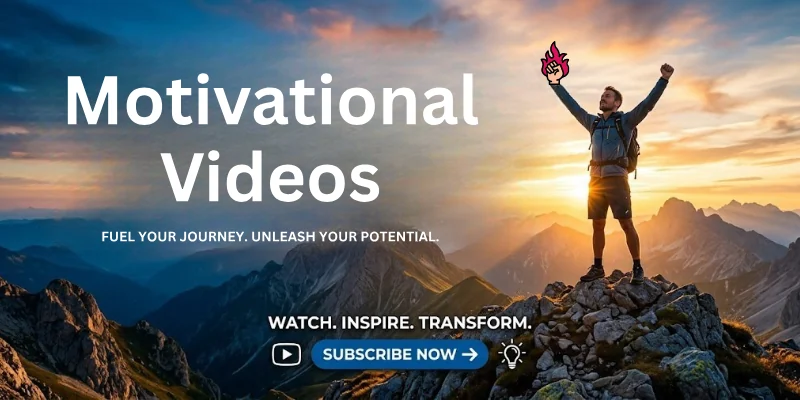
Motivational videos boost engagement and shareability. They are commonly used on social media, corporate channels, and educational platforms to inspire audiences and reinforce brand values.
Pros
These points show why motivational videos are effective:
- Inspires and energizes viewers.
- Encourages positive association with your brand.
- Highly shareable across platforms.
- Can boost morale in corporate or educational settings.
Cons
Consider these challenges:
- Must be authentic to resonate.
- Overly dramatic content may feel forced.
- Needs strong visuals or storytelling.
- Not every viewer may relate to the message.
13. Case Study Videos
Case study videos highlight real-life examples of how a product, service, or solution solved a problem. They often show data, results, and customer experiences. These videos provide proof of effectiveness.
Audiences trust evidence-based stories. Case study videos are used in B2B marketing, websites, and presentations to demonstrate results and credibility.
Pros
Here’s why case study videos work well:
- Shows real-world results and success.
- Builds credibility and trust.
- Highlights practical benefits of your product or service.
- Encourages potential customers to take action.
Cons
Keep these in mind:
- Requires real data and results.
- Needs proper storytelling to stay interesting.
- May take time to collect all necessary details.
- Overly complex data can confuse viewers.
14. Interactive Videos
Interactive videos let viewers make choices or engage with the content directly. They may include clickable links, quizzes, polls, or branching paths. This creates a two-way experience rather than passive watching.
Interactive videos increase engagement and keep viewers interested. They are used in marketing, education, and training to actively involve audiences and improve retention.
Pros
These points explain why interactive videos are effective:
- Encourages active participation from viewers.
- Boosts engagement and retention.
- Can collect useful viewer data.
- Makes content memorable and unique.
Cons
Watch out for these challenges:
- Needs more time and tools to create.
- Complex interactivity may confuse viewers.
- Not all platforms support advanced features.
- Requires testing to ensure functionality.
15. Personalized Videos
Personalized videos are tailored to individual viewers using their name, preferences, or past interactions. They create a one-on-one experience and feel more relevant to the audience.
Personalized videos increase connection and response rates. They are used in email campaigns, customer onboarding, and marketing to make viewers feel valued.
Pros
Here’s why personalized videos stand out:
- Feels unique and relevant to each viewer.
- Increases engagement and conversion rates.
- Builds stronger customer relationships.
- Can be automated with the right tools.
Cons
Keep these points in mind:
- Requires data for personalization.
- Can be time-consuming without automation.
- Poor personalization may feel awkward.
- Needs careful planning to avoid errors.
16. Documentary-Style Videos
Documentary-style videos tell a story in a real, narrative way, often exploring people, events, or issues. They focus on facts, interviews, and visuals to provide depth and insight. These videos are informative and engaging for audiences.
Audiences enjoy stories that feel authentic and meaningful. Documentary-style videos are used in marketing, education, and social campaigns to inform, inspire, and create emotional connections.
Pros
Here’s why documentary-style videos are effective:
- Provides in-depth information with a story.
- Engages viewers emotionally.
- Builds credibility through real content.
- Can inspire action or awareness.
Cons
Keep these points in mind:
- Requires detailed research and planning.
- May take longer to produce than other video types.
- Needs strong storytelling to retain interest.
- Poor editing can reduce impact.
17. Podcast Videos
Podcast videos are recordings of audio podcasts with added visuals or video footage. They can include interviews, discussions, or storytelling. Viewers can watch or listen depending on their preference.
Adding visuals to podcasts increases engagement and reach. Podcast videos are used on social media, YouTube, and websites to attract both audio and visual audiences.
Pros
These points explain why podcast videos are useful:
- Expands reach to visual and audio audiences.
- Provides more engaging content than audio alone.
- Can highlight host and guest interactions.
- Supports repurposing content across platforms.
Cons
Watch out for these challenges:
- Requires video recording in addition to audio.
- Editing can take more time.
- Needs good lighting and camera quality.
- Poor audio or visuals can distract viewers.
18. Whiteboard Videos
Whiteboard videos use drawings on a whiteboard or digital board to explain concepts step by step. They combine visuals and narration to make learning easy and fun. These videos are simple yet highly effective.
Audiences find whiteboard videos engaging and easy to understand. They are used in education, marketing, and tutorials to simplify complicated topics and retain attention.
Pros
Here’s why whiteboard videos work well:
- Makes complex ideas simple and visual.
- Keeps viewers focused with creative drawings.
- Affordable and easy to produce digitally.
- Works well for educational and marketing content.
Cons
Consider these challenges:
- Requires good pacing and clear narration.
- Poor drawings or explanations can confuse viewers.
- Needs scripting for clarity.
- May not appeal to all audiences visually.
19. Cinematic Brand Videos
Cinematic brand videos use high-quality visuals, storytelling, and professional production to showcase a brand. They feel like short films and focus on creating a strong emotional impact.
These videos help brands stand out with a polished, memorable impression. They are used in marketing campaigns, product launches, and social media to build brand identity and engagement.
Pros
These points show why cinematic videos are impactful:
- Creates a strong emotional connection with viewers.
- Highlights brand values and personality.
- Very memorable and shareable.
- Professional quality enhances brand perception.
Cons
Keep these points in mind:
- Production can be expensive.
- Requires a skilled team and equipment.
- Time-consuming to produce high-quality visuals.
- Overly long storytelling may lose viewer interest.
20. Customer Journey Videos
Customer journey videos show the experience of a customer from first contact to purchase or success. They highlight interactions, decisions, and results along the way. These videos help viewers understand the full process.
Audiences appreciate seeing realistic journeys and outcomes. Customer journey videos are used in marketing, onboarding, and case studies to demonstrate value and build trust.
Pros
Here’s why customer journey videos work well:
- Shows real customer experiences and outcomes.
- Helps potential customers relate and understand value.
- Can guide viewers through decision-making steps.
- Builds credibility and trust in your brand.
Cons
Consider these challenges:
- Requires clear planning to show the full journey.
- Needs real customer stories or examples.
- Can be lengthy if not concise.
- Poor storytelling may reduce effectiveness.
How to Choose the Right Video Type for Your Goals
The best video is the one that matches your goal and helps your audience understand, enjoy, or act on your message.
- Teach Something: Try tutorial, explainer, or FAQ videos. These make learning easy and clear for your viewers.
- Promote Products: Use product demos, promos, or cinematic brand videos to show off your offerings and excite people to buy.
- Build Trust: Share testimonials, case studies, or user-generated videos. Real stories from real people make your brand feel trustworthy.
- Engage Audience: Short-form, story, live, or challenge videos are fun and interactive, perfect for grabbing attention.
- Inspire or Motivate: Create motivational or documentary-style videos that connect emotionally and leave a lasting impact.
- Show Innovation: Use AR/VR experience videos to wow your audience and give them something new to explore.
- Guide Customer Journey: Customer journey videos illustrate steps from discovery to loyalty, helping viewers understand the process.
- Make Content Fun: Try animation, vlogs, or interactive videos that entertain while delivering your message.
Best Platforms to Share Each Video Type
Sharing your videos on the right platforms helps more people see them and enjoy your content. Let’s see where each video type works best.
- Social Media Videos: Post on Facebook, Instagram, TikTok, and YouTube to reach lots of people quickly.
- Explainer & Tutorial Videos: Share on YouTube, blogs, and your website to teach viewers step by step.
- Product Demo Videos: Upload on e-commerce sites, Instagram, and YouTube to show your products in action.
- Testimonial Videos: Share on websites, social media, and email campaigns to build trust with your audience.
- Animation Videos: Use YouTube, social media, and presentations to make your content fun and creative.
- Behind-the-Scenes Videos: Post on Instagram Stories, TikTok, and company social accounts to show the human side of your brand.
- Event Videos: Share on YouTube, LinkedIn, and Facebook for attendees and people who missed the event.
- User-Generated Videos: Post on social media and your website to highlight real users and their stories.
- FAQ Videos: Add to websites, YouTube, and email campaigns to answer common questions quickly.
- AR/VR Experience Videos: Share on websites, apps, or platforms supporting AR/VR to give an immersive experience.
- Case Study Videos: Upload on websites, LinkedIn, and email campaigns to show real results and success stories.
- Motivational Videos: Share on social media, YouTube, and company channels to inspire your audience.
- Interactive Videos: Post on your website, social media, or learning platforms to let viewers engage directly.
- Cinematic Brand Videos: Upload on YouTube, social media, and campaign landing pages to create a memorable impression.
- Customer Journey Videos: Share on websites, email campaigns, and onboarding pages to guide customers step by step.
Final Note
Alright friends, let’s bring everything together. In this article, we’ve explored the different types of video marketing in simple words, with examples, pros, and cons for each.
Video marketing is powerful because it helps you teach, sell, and share ideas in an easy and engaging way. From social media clips to immersive AR/VR experiences, every video type has its own way of connecting with people.
Here’s my advice: Start with one video type that fits your goal and experiment. Over time, you’ll discover which ones work best for you and your audience.
Remember, making videos isn’t just about marketing; it’s about sharing ideas, telling stories, and making learning fun for everyone!
FAQs
Here are some frequently asked questions about different types of marketing video.
There are many types of video marketing you can use to grow your brand. Some examples are explainer videos that explain ideas, product demo videos that show how a product works, testimonial videos with real customer opinions, social media videos for quick engagement, and how‑to/tutorial videos that teach step by step.
Video marketing makes your content more engaging and easier to understand for your audience. People love watching videos because they can learn and feel connected at the same time.
Videos help increase brand awareness, improve trust, and can even boost your sales. They work well on YouTube, social media, and websites.
If your goal is to teach something, choose videos that educate. These include:
- Tutorial videos: show step‑by‑step instructions
- Explainer videos: explain a topic in simple language
- FAQ videos: answer common questions
These video types help your audience understand your topic easily and clearly.
First, think about what you want to achieve: do you want to teach, promote, build trust, or just engage your audience? Then pick a video type that matches that purpose.
For example, use testimonial videos to build trust or social media videos to reach more people quickly. Try a few different types and see which works best for your audience.
Yes! Many video types can help with more than one goal. For example, a product demo video can both show how a product works and encourage people to buy it. A social media video can build awareness and also entertain your audience. The key is to make the video match your message and your audience’s needs.
You can share your videos on different platforms depending on your goals. For example:
- YouTube is great for long, informative videos
- Instagram and TikTok are best for short, fun clips
- Your website helps with teaching and explaining
Different platforms reach different people, so choose where your audience spends time.
Not always!
You can start with a simple smartphone camera and free editing tools. Focus first on clear audio, good lighting, and a simple message. As you grow, you can invest in better tools and software.




- Be Respectful
- Stay Relevant
- Stay Positive
- True Feedback
- Encourage Discussion
- Avoid Spamming
- No Fake News
- Don't Copy-Paste
- No Personal Attacks
- Be Respectful
- Stay Relevant
- Stay Positive
- True Feedback
- Encourage Discussion
- Avoid Spamming
- No Fake News
- Don't Copy-Paste
- No Personal Attacks
