Types of Social Media Marketing to Grow Your Audience
Published: 13 Mar 2026
Hey friends,
Every day millions of people use social media. They scroll, like, share, and comment on posts. For businesses, this is a huge chance to reach the right people, build trust, and even boost sales. But with so many ways to promote on social media, it can get a little confusing.
In this guide, we will explain the main types of social media marketing, show how each one works, and help you understand which strategies and platforms fit your brand best.
So guys, let’s get started and explore all the social media marketing kinds one by one!
Types of Social Media Marketing (SMM)
Social media marketing (SMM) helps businesses connect with their audience, grow their brand, and increase sales using different strategies.
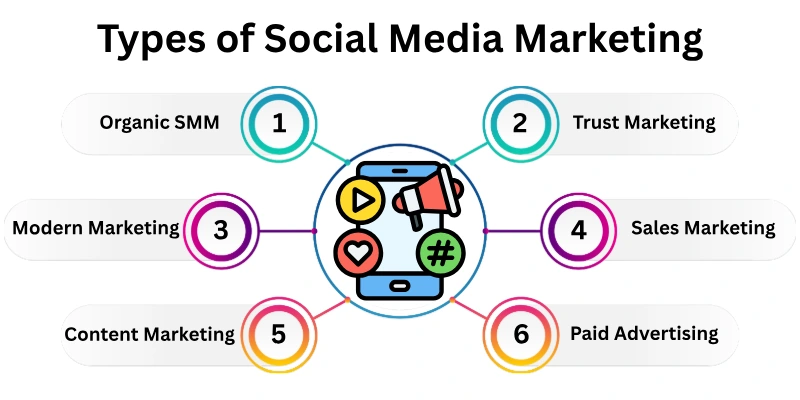
Main social media marketing types:
- Organic Social Media Marketing
- Paid Social Media Advertising
- Content Marketing
- Platform-Specific Marketing
- Influencer & Trust Marketing
- Sales & Conversion Marketing
- Community & Relationship Marketing
- Advanced & Modern Marketing
Let’s break down all the methods of social media marketing one by one.
1. Organic Social Media Marketing
Organic marketing is about sharing your brand naturally. You post videos, photos, or updates without paying for ads. Over time, this builds trust and makes followers genuinely care about your brand.
- Why it works: People enjoy content that feels real, not forced.
- When to use: Small businesses, startups, or brands wanting loyal followers.
- Best platforms: Instagram, Facebook, LinkedIn, Twitter/X
Example: A café posts daily photos of coffee and behind-the-scenes videos to connect with local customers.
2. Paid Social Media Advertising
Paid advertising means paying the platform to show your content to specific audiences. This is one of the most effective social media promotion strategies because it helps you reach more people fast and target exactly who you want.
- Why it works: Quick reach and measurable results.
- When to use: Launching new products, running promotions, or targeting new customers.
- Best platforms: Facebook Ads, Instagram Ads, TikTok Ads, LinkedIn Ads
Example: A clothing store runs Instagram ads to target fashion lovers in their city.
3. Content Marketing
Content marketing is about creating posts, videos, images, or stories that educate, entertain, or inspire your audience. Good content keeps people interested in your brand.
- Why it works: Attracts attention and builds authority without being pushy.
- When to use: Always; it helps improve brand awareness and engagement.
- Best platforms: Instagram, YouTube, Facebook, TikTok, Twitter/X
Example: A travel agency posts Instagram carousels showing vacation destinations to inspire followers.
4. Platform-Specific Marketing
Platform marketing means tailoring your strategy for each social media platform. Each platform has different audiences, features, and tools, so the content style should match. To get the best results, it’s important to understand the main types of social media marketing platforms and how each one can work for your brand.
- Why it works: Using platform features and audience preferences gives better results.
- When to use: When you want to target specific audiences or run platform-focused campaigns.
- Platforms
Each platform works differently and offers unique ways to connect with your audience:
- Facebook: Pages, groups, ads, events
- Instagram: Reels, stories, shopping, hashtags
- TikTok: Short videos, challenges, trends
- LinkedIn: Posts, articles, professional networking, lead generation
- Twitter/X: Tweets, threads, trending hashtags
- YouTube: Long-form videos, shorts, live streams
- Pinterest: Pins, boards, product showcases
- Snapchat: Stories, AR filters
Example: A fashion brand uses Instagram Reels for trends, TikTok challenges for viral reach, and Facebook Groups to build a loyal community.
5. Influencer & Trust Marketing
Influencer marketing uses people who have followers to promote your brand or loyal customers and employees to share experiences. People trust recommendations from someone they follow rather than just ads.
- Why it works: Builds credibility and reaches new audiences fast.
- When to use: Product launches, awareness campaigns, or niche marketing.
- Best platforms: Instagram, TikTok, YouTube, LinkedIn
Example: A skincare brand sends products to TikTok creators for honest reviews.
6. Sales & Conversion Marketing
Sales and conversion marketing focuses on turning followers into customers. This includes social commerce, retargeting, affiliate marketing, and lead campaigns.
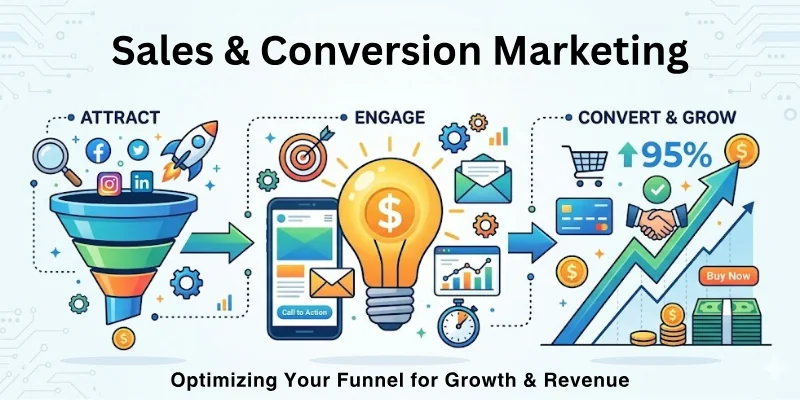
- Why it works: Directly increases sales and measurable results.
- When to use: E-commerce brands, service-based businesses, or seasonal campaigns.
- Best platforms: Instagram Shop, Facebook Shop, TikTok Shop, LinkedIn Lead Gen
Example: A clothing brand uses Instagram Shopping to let people buy directly from posts.
7. Community & Relationship Marketing
Community marketing is about building groups, interacting with followers, and providing support. Strong relationships create loyalty and repeat customers.
- Why it works: People trust brands that interact with them personally.
- When to use: Businesses with repeat customers or niche audiences.
- Best platforms: Facebook Groups, LinkedIn Groups, Discord, WhatsApp Communities
Example: A fitness brand runs a Facebook group where members share workout tips and progress.
8. Advanced & Modern Marketing
This includes live streaming, AI tools, automation, AR filters, and social listening. These are some of the latest social media marketing concepts that help brands engage in creative ways and stay ahead of trends.
- Why it works: Engaging, innovative, and saves time for busy teams.
- When to use: Growing brands, interactive campaigns, or tech-savvy audiences.
- Best platforms: Instagram, TikTok, YouTube, Snapchat, AI-powered tools
Example: A sunglasses brand creates an Instagram AR filter so users can try on sunglasses virtually.
How to Measure Social Media Marketing Success
When you spend time creating posts, running campaigns, or sharing social media marketing offers, it’s normal to wonder if all that effort is paying off. Measuring your social media success helps you see what’s working, what needs a tweak, and how to get better results over time.
Ways to Measure Social Media Marketing Success:
- Engagement Rate: Check likes, comments, shares, and reactions. High engagement shows your content connects with people.
- Follower Growth: Track how your followers increase over time. Steady growth means your content attracts new audiences.
- Reach and Impressions: See how many people saw your posts. A wider reach helps more people learn about your brand.
- Click-Through Rate (CTR): Measure how many people clicked on links in your posts or ads. This shows how well your content encourages action.
- Conversions: Track how many people completed a goal, like signing up, buying a product, or downloading a guide.
- Traffic to Website: Check how much social media drives visitors to your website. More traffic can lead to more leads and sales.
- Shares and Mentions: Monitor how often your content is shared or your brand is mentioned. This indicates trust and influence.
- Customer Feedback and Comments: Read messages, comments, and reviews. They give insights into what people like or dislike.
- Return on Investment (ROI): Compare what you spend on social media as a marketing tool (ads, tools, time) with the results you get, like sales or leads.
FAQs: Types of Social Media Marketing
Here’s a complete FAQ guide that answers your most common questions about the various types of social media marketing and their benefits.
Beginners should know there are several main types, including organic posts, paid ads, influencer marketing, content marketing, social commerce, community building, and interactive campaigns. Knowing these helps you choose what fits your brand.
The 7 types are organic content, paid advertising, short-form videos, long-form videos, influencer marketing, social commerce, and community engagement. Using a mix of these types helps reach more people effectively.
Brands often use five social media models: creator content, influencer collaborations, social commerce, community engagement, and customer support. Each model focuses on building trust and engaging the audience differently.
Each type serves a purpose: organic posts build trust, paid ads boost reach fast, influencer marketing brings credibility, content marketing educates, and community engagement creates loyal fans. Using several types together improves results.
Small businesses usually benefit from organic posts, community building, and influencer partnerships. These types are low-cost, build engagement, and attract local or niche audiences effectively.
Yes! Combining types like short videos with paid ads or community engagement with influencer campaigns helps increase reach, engagement, and conversions. It makes your marketing more effective.
Offers like discounts, contests, or giveaways can be used with any type of SMM. They grab attention, encourage interaction, and boost conversions when combined with posts, ads, or influencer campaigns.
Trending types include short-form videos, live streaming, AI-powered content, and AR/interactive campaigns. These types engage audiences in creative ways and help brands stay visible in competitive markets.
Conclusion
We have covered the types of social media marketing and how each one can help your brand grow. From organic posts and paid ads to videos, influencer campaigns, and community engagement, every type has its own role.
The best approach is to explore these types, mix what works for your audience, and keep improving along the way. Try them out, see the results, and take your social media strategy to the next level!



- Be Respectful
- Stay Relevant
- Stay Positive
- True Feedback
- Encourage Discussion
- Avoid Spamming
- No Fake News
- Don't Copy-Paste
- No Personal Attacks
- Be Respectful
- Stay Relevant
- Stay Positive
- True Feedback
- Encourage Discussion
- Avoid Spamming
- No Fake News
- Don't Copy-Paste
- No Personal Attacks
