Pros and Cons of Dropshipping – Take Control and Succeed
Published: 11 Apr 2026
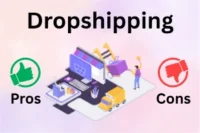
I want to share what I’ve learned about the pros and cons of dropshipping after working with several online stores. This model lets you start a business without buying products upfront, and it has helped many sellers reach global customers quickly.
At the same time, it comes with challenges like supplier errors, slow shipping, and low profit margins. The global dropshipping market is expected to reach nearly USD 343 billion by 2026, showing how popular it is today.
In this guide, I will break down what works and what doesn’t, so you can avoid mistakes, make smarter choices, and grow your business with confidence.
So, guys, let’s start this adventure and understand the pros and cons along the way.
Advantages of Dropshipping
Starting a dropshipping business has many advantages that make it attractive for beginners and experienced sellers alike.
Let’s explore the main pros of dropshipping and see why so many people choose this business model:
- Low Startup Costs
- No Warehousing Needed
- Easy to Test Products
- Work From Anywhere
- Flexible Product Range
- Scalable Business Model
- Tools
- Low Staffing Requirements
- Fast to Launch
- Global Market Reach
Now, we’ll break down all the benefits of dropshipping one by one.
1. Low Startup Costs
Dropshipping lets you start a business without buying products in advance. This means you do not need to invest a lot of money up front in stock or storage. As a result, your financial risk is much lower than in traditional retail. You can focus on building your store, marketing, and testing ideas without worrying about high upfront costs. This makes it easier for beginners or anyone with a small budget to start their own online store.
2. No Warehousing Needed
Since you do not keep inventory yourself, you do not need a warehouse or storage space. This saves money on rent, utilities, and the cost of managing stock. You also avoid problems like storing items safely or keeping track of products. All orders go directly from the supplier to your customers. This makes running your business much simpler and less stressful.
3. Easy to Test Products
Dropshipping allows you to quickly add new products to your store. You can try different items without buying them first. If a product does not sell well, you can remove it immediately. This flexibility makes it easy to find what your customers like. You can test multiple niches, trends, or categories without risking money.
4. Work From Anywhere
All you need is an internet connection to manage your dropshipping store. You can work from home, a coffee shop, or even while travelling. There is no need to be in a physical office or warehouse. This freedom allows you to plan your schedule and work at your own pace. You can run your business from anywhere in the world.
5. Flexible Product Range
You are not limited by the number of products you can sell. You can offer a wide variety of items because you do not need to store them yourself. You can quickly add new products from different suppliers and reach more customers. This flexibility helps you cater to different tastes and markets without worrying about space or money.
6. Scalable Business Model
Dropshipping allows your business to grow without huge overhead costs. You can handle more orders without needing more storage or staff. When sales increase, suppliers take care of the extra work, like packaging and shipping. This means your business can expand easily without major investment. You can focus on marketing and improving customer service instead of logistics.
7. Tools
Many online tools help you manage orders, inventory, and pricing automatically. These tools reduce mistakes and save time. You do not have to check every order manually or track stock levels constantly. Automation allows you to focus on growing your business and reaching more customers. It also makes managing multiple products and suppliers much simpler.
8. Low Staffing Requirements
You do not need many employees because the supplier handles fulfilment. This means fewer salaries, less training, and less management work. You can run the store by yourself or with a small team. Even if your business grows, you do not need a large workforce to handle orders and shipping. This keeps your costs low and operations simple.
9. Fast to Launch
Starting a dropshipping store is much quicker than traditional retail. You can set up your website, choose products, and begin selling in just a few days. You do not have to wait for stock or worry about shipping logistics at first. This makes it possible to enter the market quickly and start earning faster. You can also respond to trends immediately.
10. Global Market Reach
You can sell to customers around the world without worrying about shipping logistics. Suppliers often handle international shipping directly. This allows you to reach more buyers and expand your business beyond local markets. You can offer products to multiple countries at the same time. It also increases the chance of higher sales and business growth.
Disadvantages of Dropshipping
While dropshipping has many benefits, it also comes with some challenges that you should be aware of.
Let’s take a look at the main downsides of dropshipping so you can make informed decisions before starting your store:
- Low Profit Margins
- Limited Control Over Product Quality
- Unpredictable Shipping Times
- Branding Restrictions
- High Competition
- Supplier Errors
- Complex Customer Service
- Inventory Sync Issues
- Dependence on Third-Party Platforms
- Difficult to Build Long-Term Loyalty
Here’s a closer look at all the drawbacks of dropshipping.
1. Low Profit Margins
Dropshipping often has lower profits because many sellers offer the same products. You may need to reduce prices to compete with others. Even if sales are high, the profit per item can be small. This makes it harder to earn a large income quickly. To make more money, you need careful planning, smart marketing, or selling higher-value products.
2. Limited Control Over Product Quality
Since you do not handle the products yourself, you rely on the supplier for quality. If a supplier sends damaged or low-quality items, it reflects badly on your store. Customers may leave negative reviews, which can hurt your reputation. You cannot fully control how the product is made, packaged, or shipped. Choosing reliable suppliers is essential to reduce this risk.
3. Unpredictable Shipping Times
Dropshipping suppliers may ship from different locations, causing delays. Customers might get their orders at different times or face longer shipping periods. Slow or inconsistent delivery can lead to complaints and lost sales. You have to manage expectations and clearly communicate shipping times. Sometimes, multiple suppliers in one order make shipping even more complicated.
4. Branding Restrictions
Most dropshipping suppliers provide generic packaging. This makes it hard to create a unique brand experience for your customers. You cannot easily include custom packaging, inserts, or special touches. This limitation makes it difficult to stand out from other sellers. Building a strong brand takes extra effort in marketing and customer service.
5. High Competition
Many people are selling the same products online. This makes it harder to attract buyers and maintain good prices. Customers can easily switch to another store if your price or shipping is higher. Competition is especially high in popular niches. You need creative marketing or a unique selling approach to stay ahead.
6. Supplier Errors
Even reliable suppliers make mistakes, such as sending the wrong item or missing an order. You are the one the customers contact when a problem happens. These errors can damage your store’s reputation, even if it was not your fault. Handling mistakes professionally is important to keep customers happy.
7. Complex Customer Service
Since you rely on suppliers, you must manage customer complaints yourself. If a product is late, damaged, or missing, customers will contact you first. You need to spend time resolving issues and explaining the situation. Providing good support is important, but can be stressful, especially as your business grows.
8. Inventory Sync Issues
Suppliers may run out of stock without your knowledge. This can cause backorders or cancelled orders. Customers expect accurate information, so mistakes can lead to dissatisfaction. Keeping track of inventory across multiple suppliers is challenging. You may need extra tools or frequent communication to avoid problems.
9. Dependence on Third-Party Platforms
If you sell on marketplaces like Amazon or Shopify, changes in their rules or fees can affect your business. You rely on these platforms for visibility and sales. Any sudden policy updates, restrictions, or technical issues can disrupt your store. Building some independence, like your own website, can reduce this risk.
10. Difficult to Build Long-Term Loyalty
Many dropshipping products are common and easy to find elsewhere. Customers may not feel connected to your store or brand. Repeat purchases can be harder to get unless you offer great service or unique products. Building a loyal customer base takes extra effort, like marketing, communication, and personalization.
Tips to Improve Your Dropshipping Success
Running a dropshipping store can be easy, but success depends on smart choices. By following a few key tips, you can grow your business, reduce mistakes, and keep your customers happy.
Here are some practical steps to improve your dropshipping journey:
- Choose Reliable Suppliers: Pick suppliers with good reviews and fast shipping to ensure quality and customer satisfaction.
- Order Product Samples: Test products yourself before selling to avoid surprises and maintain trust with customers.
- Offer Clear Shipping Information: Let customers know delivery times and tracking details to reduce complaints.
- Focus on Niche Marketing: Target a specific audience to stand out from competitors and attract loyal customers.
- Provide Excellent Customer Service: Respond quickly and solve problems professionally to build trust and loyalty.
- Use High-Quality Product Images: Clear and attractive photos increase customer confidence and sales.
- Monitor Trends and Sales Data: Regularly check which products are popular and adjust your store accordingly.
- Optimize Pricing Strategies: Balance competitive pricing with healthy profits to stay in the market.
- Build a Strong Brand Identity: Use consistent logos, colours, and messaging to make your store memorable.
- Automate Where Possible: Use tools to manage orders and inventory, saving time and avoiding errors.
Final Words
Throughout this guide, we looked at the main pros and cons of dropshipping. While dropshipping offers low startup costs and flexibility, it also comes with challenges like low profit margins and supplier issues.
My recommendation is to carefully choose reliable suppliers, test products before selling, and provide clear shipping information to balance these risks. By planning well and focusing on your niche, you can manage the limitations effectively and grow your business steadily.
Take a look at the next FAQ section. You may find something valuable you didn’t know.
FAQs: Pros and Cons of Dropshipping
Here are some frequently asked questions about the advantages and disadvantages of dropshipping to help you understand this business model better and make smarter decisions.
Dropshipping can be challenging because you have little control over product quality and shipping times. Customers may receive damaged or late items, which can hurt your store’s reputation. High competition also makes it hard to earn high profits. Choosing reliable suppliers and managing expectations carefully can reduce these problems.
The main risks include:
- Low profit margins due to competition
- Supplier errors, such as wrong or missing products
- Inventory issues when stock runs out unexpectedly
By planning carefully and testing suppliers, you can manage these risks and run your business more smoothly.
Yes, dropshipping can be a good business if done correctly. It has low startup costs, flexible product options, and allows you to work from anywhere. Success depends on choosing the right niche, reliable suppliers, and providing good customer service.
Earnings vary widely depending on your niche, pricing, and marketing. Some sellers make small profits at first, while others scale up with careful planning. Focusing on trending products, quality suppliers, and loyal customers helps increase revenue over time.
Yes, dropshipping makes it easy to reach international customers. Suppliers often handle shipping worldwide, so you don’t need your own warehouse. Just make sure to clearly communicate delivery times and shipping policies to avoid confusion.
Follow these steps:
- Look for products with demand but low competition
- Test items with small orders before selling widely
- Consider your audience’s needs and preferences
Choosing the right products helps you increase sales and reduce returns.
The main advantages include:
- Low startup costs
- No need for storage or warehouses
- Flexibility to test products and grow your store quickly
These benefits make dropshipping a popular option for beginners and small business owners.


- Be Respectful
- Stay Relevant
- Stay Positive
- True Feedback
- Encourage Discussion
- Avoid Spamming
- No Fake News
- Don't Copy-Paste
- No Personal Attacks
- Be Respectful
- Stay Relevant
- Stay Positive
- True Feedback
- Encourage Discussion
- Avoid Spamming
- No Fake News
- Don't Copy-Paste
- No Personal Attacks
