Advantages and Disadvantages of Viral Marketing for Beginners
Published: 14 Jan 2026
Have you ever wondered why some videos or posts suddenly explode online while others get ignored?
This is the power of viral marketing. It can make a small brand famous almost overnight, but it also comes with hidden risks. Understanding the advantages and disadvantages of viral marketing can help you use it wisely.
In this article, I will break down the pros and cons of viral marketing in simple words, showing how you can benefit from it while avoiding common mistakes.
Why wait? Let’s get started.
Advantages of Viral Marketing
Viral marketing can help your content reach a large audience quickly. It is a cost-effective way to boost brand awareness and engagement.
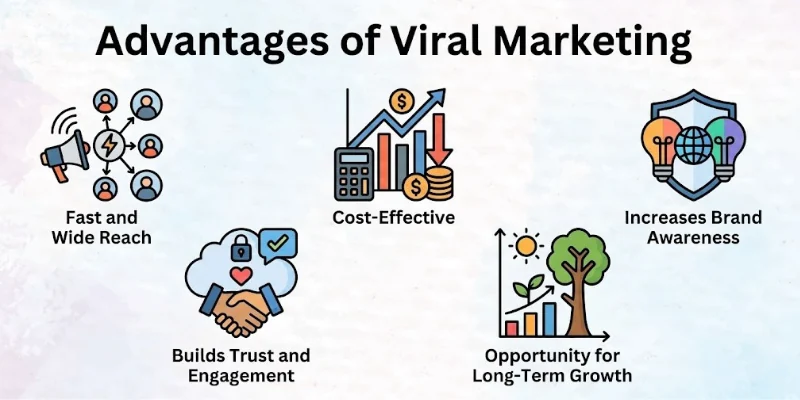
Let’s take a look at the main benefits of viral marketing.
- Fast and Wide Reach
- Cost-Effective
- Increases Brand Awareness
- Builds Trust and Engagement
- Opportunity for Long-Term Growth
Here’s where it all begins.
1. Fast and Wide Reach
When I shared a funny tweet last year, it reached thousands of people in just a few hours. Social media allows content to travel quickly because people share it with friends and family almost instantly.
Watching the post gain attention so fast was exciting and showed me the power of viral marketing. Even small brands can reach huge audiences without spending a lot. Every share acts like a free promotion, helping messages spread far beyond expectations.
- A short, relatable video can reach millions in one day.
- Funny or emotional content spreads faster than plain posts.
- Use hashtags that match your audience’s interests.
- Share across multiple platforms for maximum reach.
Tip from my experience: I always post when my audience is most active; evening posts get the fastest shares.
2. Cost-Effective
I have tried marketing campaigns with big budgets, but some of my most successful viral posts cost almost nothing. Simple, creative ideas often perform better than expensive ads. Once, a small challenge I posted reached thousands without spending a single dollar.
Viral marketing relies more on engagement than on money, which is great for small brands. The effort you put into creativity often pays off more than an expensive ad campaign.
- Focus on clever ideas rather than high budgets.
- Free tools like Canva or TikTok can create great content.
- Encourage your followers to share your content.
- Track which posts get the most attention.
Tip from me: I test small creative ideas first; if they work, I expand them without spending extra money.
3. Increases Brand Awareness
One of the best experiences I had was seeing a small TikTok post go viral and gain thousands of followers overnight. Viral content can put your brand in front of people who never knew it existed.
Even if someone does not buy immediately, seeing your brand multiple times increases recognition. Every share is like free advertising, and it creates a lasting impression. Viral marketing can quickly grow your audience and make your brand memorable.
- Share content that truly represents your brand values.
- Include subtle branding in videos or posts.
- Ask followers to tag friends who might enjoy the content.
- Keep posting regularly to stay visible.
Tip from my experience: Adding a small logo or watermark to my posts helps people remember my brand for months.
4. Builds Trust and Engagement
I noticed that people trust posts shared by friends more than paid ads. One of my viral posts got higher engagement organically than my paid campaigns. When content resonates, people comment, like, and share naturally, which strengthens the connection with the audience.
I always try to make my posts relatable so people feel involved. Real interaction builds loyalty and trust. The more people engage, the stronger their bond with your brand becomes.
- Create content that people can relate to easily.
- Ask questions or start challenges to encourage sharing.
- Reply quickly to comments to show you care.
- Share real stories or testimonials to connect emotionally.
Tip from me: I reply to comments in the first few hours; it makes my audience feel valued and connected.
5. Opportunity for Long-Term Growth
Some of my posts continue to get views and shares months after I first posted them. Viral content can keep attracting attention long after the initial buzz. This ongoing visibility helps build a loyal audience over time.
Following up on successful posts can bring even more followers or leads. I realized that using past viral content strategically can give a brand lasting growth without heavy spending.
- Repurpose popular posts in new formats to reach more people.
- Track which posts continue performing well over time.
- Encourage regular interaction to keep your audience active.
- Share follow-up posts to maintain interest.
Tip from personal experience: I save my best-performing posts and repost them with small updates to keep them relevant and engaging.
Disadvantages of Viral Marketing
Viral marketing can bring quick attention, but it also has risks. Brands need to be careful and plan wisely to avoid problems.
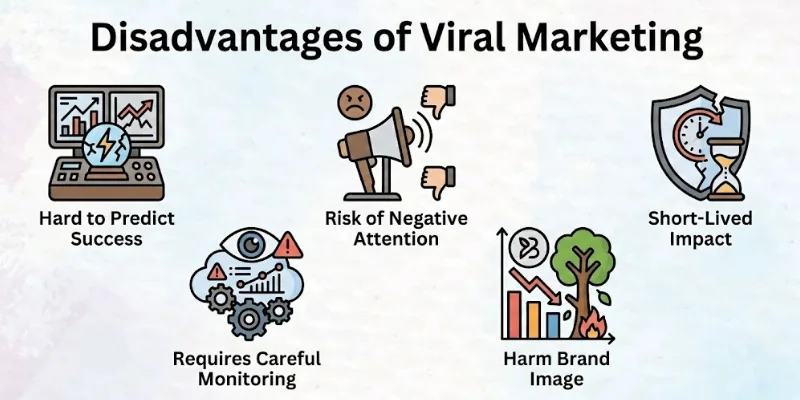
Here’s a quick list of why viral marketing can be challenging.
- Hard to Predict Success
- Risk of Negative Attention
- Short-Lived Impact
- Requires Careful Monitoring
- Harm Brand Image
Time to explore the details.
1. Hard to Predict Success
Not every idea goes viral, even if it seems perfect. You may notice that content you expect to perform well sometimes gets very little attention. Viral marketing depends on how people react and share, making it unpredictable.
This can feel frustrating when you plan a campaign carefully. Focusing on high-quality, valuable content is usually more effective than trying to force virality. Testing small campaigns before a full launch helps reduce risks. Watching which posts succeed over time can guide your future efforts.
- Even creative ideas may not go viral.
- Analyze audience preferences before posting.
- Test small campaigns to see what works.
- Track performance of previous posts.
Tip: Don’t chase viral fame; focus on content that actually brings value to your audience.
2. Risk of Negative Attention
Viral content can attract criticism if it is misunderstood or seen as offensive. Sometimes, a campaign you think is funny or entertaining may upset certain audiences. Negative reactions can spread quickly, which can feel stressful for any brand.
Reviewing content carefully before posting is essential. Considering how different people might see your post helps prevent problems. Being ready to respond politely to criticism can protect your credibility. Even a small misstep can get amplified online, so a little caution goes a long way.
- Avoid content that could be misinterpreted.
- Monitor audience reactions carefully.
- Respond politely to criticism or complaints.
- Learn from past mistakes to improve campaigns.
Tip from me: Before posting, ask a teammate or friend to check your content; it helps catch anything that might offend or confuse people.
3. Short-Lived Impact
Many viral trends fade quickly, often within a few days or weeks. Even highly popular content can lose attention fast. You may find it challenging to maintain engagement once the initial excitement ends. Planning follow-up content or repurposing popular posts helps extend the lifespan.
Combining viral content with long-term engagement strategies ensures your audience stays connected. With careful planning, even short-lived content can continue to benefit your brand. Staying active after a viral moment keeps your audience interested.
- Trends move quickly; don’t rely on a single viral post.
- Prepare follow-up posts to maintain audience interest.
- Repurpose popular content in new formats.
- Encourage repeat engagement through contests or updates.
Pro Tip: Plan follow-up posts or reuse your popular content in new ways to keep your audience interested even after the hype fades.
4. Requires Careful Monitoring
Viral campaigns get attention fast, and reactions can come from all directions. You may notice that ignoring comments or feedback can reduce engagement and create negative impressions. Brands need to monitor responses closely and reply promptly to both praise and criticism.
Using social media management tools helps track performance efficiently. Staying alert ensures the campaign maintains a positive image. Watching how your audience reacts can also give useful ideas for future posts.
- Watch comments and reactions regularly.
- Respond quickly to positive and negative feedback.
- Use tools to track engagement and reach.
- Learn from audience feedback to improve future posts.
Tip from my experience: Keep an eye on comments and reactions regularly; you’ll catch small issues before they become bigger problems.
5. Harm Brand Image
Poorly executed viral campaigns can damage credibility and trust. You may see brands lose reputation after pushing too hard for virality or using misleading content. Aggressive, controversial, or careless posts can spread fast and harm your image.
Viral marketing works best when it aligns with your brand’s values and tone. Thoughtful planning, clear messaging, and authenticity reduce the risk of harm. Reviewing every post carefully ensures your brand remains credible and trustworthy.
- Avoid misleading or overly aggressive posts.
- Keep content aligned with brand values.
- Think carefully before posting potentially controversial content.
- Learn from others’ mistakes to avoid pitfalls.
Tip: Always review your posts to make sure they match your brand values—this keeps your audience trusting you.
Tips for Successful Viral Marketing
Creating content that goes viral is not just about luck; it takes strategy, creativity, and understanding your audience.
By following a few smart steps, you can increase your chances of reaching more people and getting them to engage with your brand.
- Creativity and emotions: Make your content funny, inspiring, or surprising so people want to share it.
- Short and simple: Easy-to-understand content gets shared more quickly than long or complicated posts.
- Share where your audience is: Post on social media platforms where your followers are most active.
- Encourage participation: Use challenges, contests, or polls to get your audience involved.
- Monitor and adjust: Watch reactions closely and tweak your content if needed to keep engagement high.
Ways to Make Money from a Viral Video
Going viral is exciting, but it can also be a way to earn money if you use it smartly. There are several ways creators can turn viral content into income.
- Ad Revenue: Allow companies to run ads on your video, either before, during, or after it. The more views, the more money you earn.
- Sponsored Content: Brands may pay you to mention or promote their products or services in your video.
- Subscription Access: You can offer exclusive content to subscribers who pay to view your videos.
- Licensing Your Video: Let other people or companies use your viral video for a fee.
By combining these methods, creators can turn a viral moment into a steady source of income while continuing to grow their audience.
Final Note
In this guide, we have covered the advantages and disadvantages of viral marketing. It is important to enjoy the fast reach and engagement viral marketing offers, while being aware of potential pitfalls like negative attention or short-term impact.
My advice is to combine creative, shareable content with careful monitoring and follow-up strategies. This balance helps you get the benefits while managing the risks. Thank you for reading!
Don’t skip the next part of the FAQs. I hope you will find something more interesting, so don’t miss it. If you miss it, you may lose something new.
FAQs: Advantages and Disadvantages of Viral Marketing
Here are some common questions about the pros and cons of viral marketing, along with simple answers to help you understand it better.
Examples of viral marketing include funny videos, challenges, memes, and trending social media posts. Brands like Coca-Cola and Apple often use creative campaigns that people love to share. These examples show how simple ideas can quickly reach millions.
Digital viral marketing is when content spreads online through social media, websites, or email. It helps brands reach a large audience quickly without spending too much money. Many small and big businesses use digital viral marketing to increase brand visibility.
One disadvantage of viral marketing is that it can be unpredictable. Not every campaign succeeds, and content may be misunderstood or criticized. This makes it important to plan carefully and monitor audience reactions.
Viral marketing tactics include creating engaging videos, starting challenges, using hashtags, or collaborating with influencers. The goal is to make content shareable and interesting. Choosing the right tactic depends on your audience and platform.
Viral video marketing works by creating content that people want to share widely. Popular videos can increase brand awareness quickly. Brands often use humour, emotion, or surprise to make videos more engaging.
Yes, some people mistakenly call it virus marketing, but the correct term is viral marketing. It refers to content spreading rapidly online, like a “virus”, through sharing. Understanding this helps you plan campaigns that reach more people.
To make a marketing video viral, focus on short, entertaining, and relatable content. Use social media platforms where your audience is active. Adding calls to action or challenges can encourage viewers to share it.
Viral messages are posts, emails, or texts that people share widely because they are funny, emotional, or useful. These messages help brands spread information quickly. Creating content that resonates with your audience increases the chance of going viral.
Yes, viral marketing social media campaigns can reach millions in a short time. Platforms like TikTok, Instagram, and Facebook make it easy for content to spread. Social media helps brands gain followers, engagement, and potential customers.
You must target the right audience to make content go viral effectively. Sharing content with people interested in your brand increases engagement. If you reach the wrong audience, your campaign may not get the attention it needs.



- Be Respectful
- Stay Relevant
- Stay Positive
- True Feedback
- Encourage Discussion
- Avoid Spamming
- No Fake News
- Don't Copy-Paste
- No Personal Attacks
- Be Respectful
- Stay Relevant
- Stay Positive
- True Feedback
- Encourage Discussion
- Avoid Spamming
- No Fake News
- Don't Copy-Paste
- No Personal Attacks
